Tokuyama Daijingū, Shinto shrine in Japan
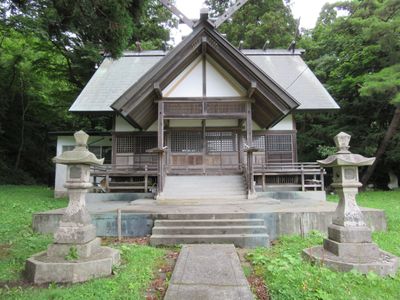
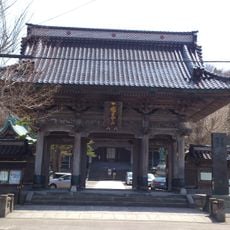
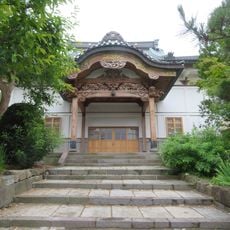
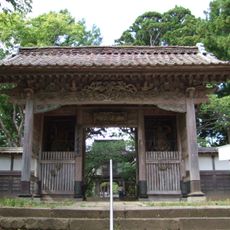
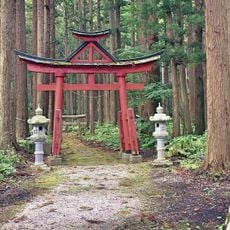
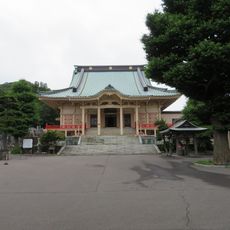
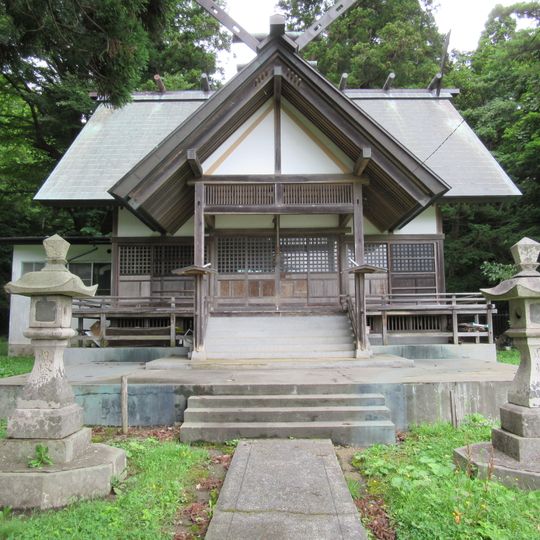
Tokuyama Daijingū is a Shinto shrine in Matsumae built in the Shinmei-zukuri style, featuring straight lines, a simple rectangular form, and unfinished wooden surfaces. The building rests on low wooden posts with a plain roof and minimal decoration, creating a clear and pure aesthetic that displays the craftsmanship of traditional Japanese architecture.
The shrine was established during the period when settlers from mainland Japan moved into the Hokkaido region, creating such places as central community points. The Shinmei-zukuri style itself dates back more than 1500 years and has been used at shrines like the Ise Grand Shrine since that time.
The shrine serves as a focal point for local festivals and ceremonies where the community gathers to celebrate seasonal changes and pray for health and prosperity. Daily use by visitors making offerings and ringing bells shows how this place continues to shape the spiritual practices and shared values of the region.
The shrine is neatly maintained and accessible to visitors who can leave offerings and ring bells to show respect. Visitors should remain quiet and respectful, as this is a sacred space where daily rituals have been carried out by generations of priests.
Many old shrines in this style were rebuilt every twenty years, meaning the structures you see today may be relatively new but based on very old design principles. This practice of regular renewal keeps the traditional appearance alive over centuries and shows how Japanese culture values continuity and preservation.
The community of curious travelers
AroundUs brings together thousands of curated places, local tips, and hidden gems, enriched daily by 92,927 contributors worldwide.