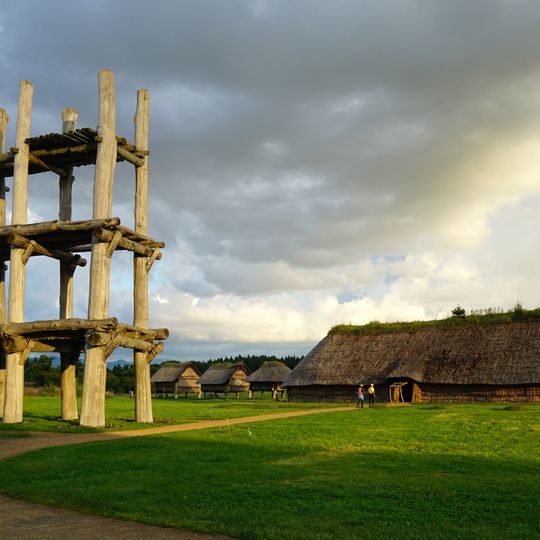
Jōmon Prehistoric Sites in Northern Japan, Archaeological sites across Hokkaido and Northern Tohoku, Japan
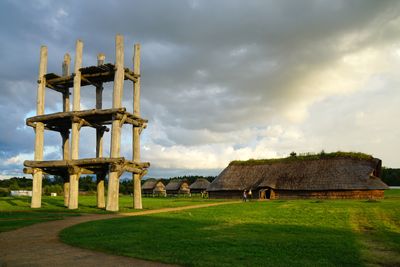
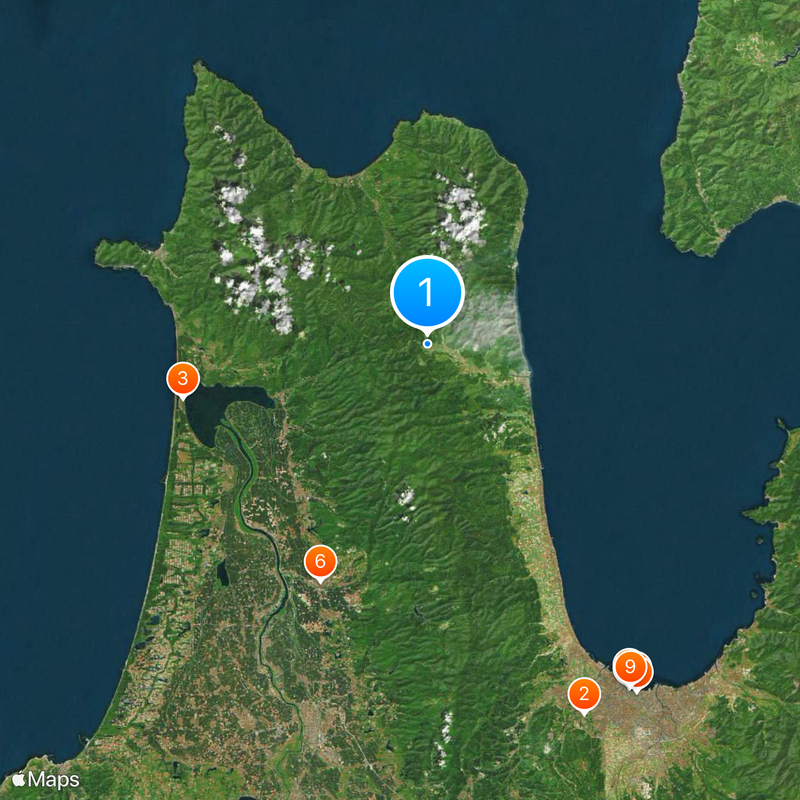
The Jōmon Prehistoric Sites consist of 17 archaeological locations spread across four prefectures in northern Japan with remains of dwellings, burial areas, and ritual spaces. The excavations reveal layers of occupation showing how settlements developed and changed over thousands of years.
These sites document human settlement beginning around 15,000 years ago when people survived through hunting, fishing, and gathering. They show continuous development through the Jōmon period before agriculture arrived in later times.
The clay figurines and decorated pottery found here reveal the craftsmanship and spiritual beliefs of early communities. You can observe in the museums how these people used objects in daily life and ceremony.
Each site has its own museum or visitor center displaying artifacts and providing context for what you will see. Planning a visit to the museums first helps you understand the excavation areas better when you explore them.
These sites contain some of the world's oldest pottery, with vessels made around 16,500 years ago. This early ceramic art shows remarkably advanced techniques for how early people worked with clay.
The community of curious travelers
AroundUs brings together thousands of curated places, local tips, and hidden gems, enriched daily by 91,996 contributors worldwide.