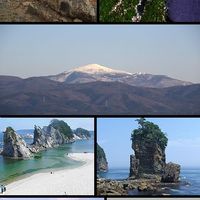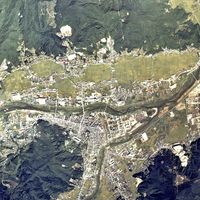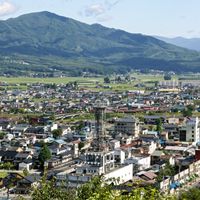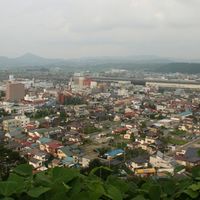
Iwate Prefecture, Prefecture in northern Tohoku, Japan
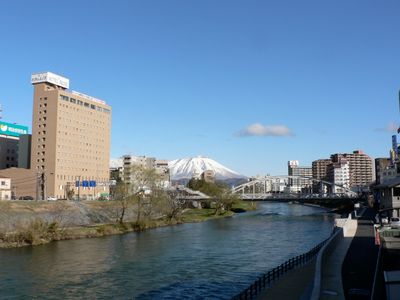
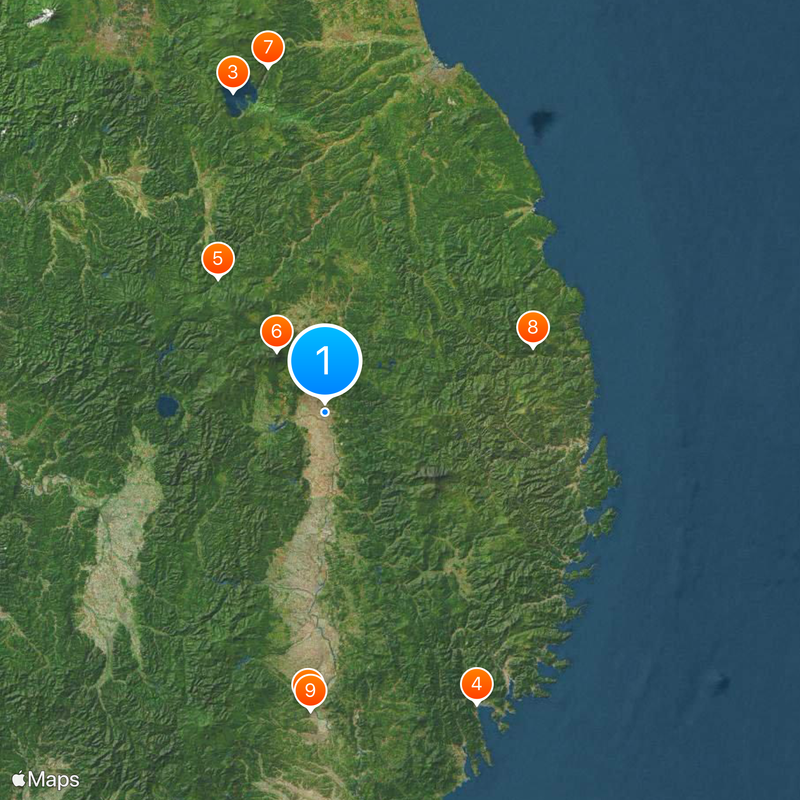
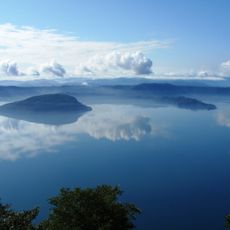
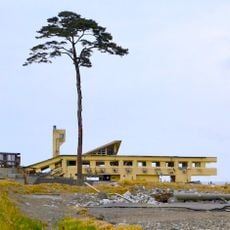
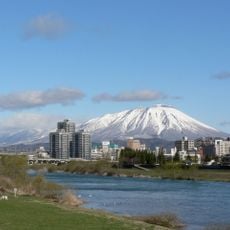
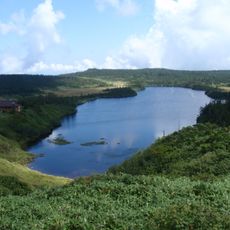
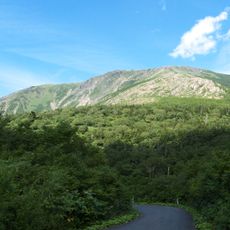
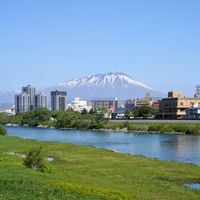
Iwate Prefecture is an administrative division in northern Tohoku that extends along a long Pacific coastline and several mountain ranges inland. It borders Aomori to the north and Miyagi to the south, covering an area larger than any other prefecture except Hokkaido.
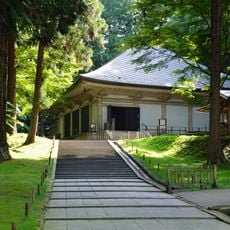
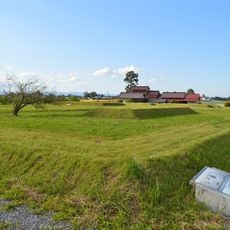
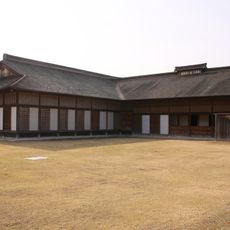
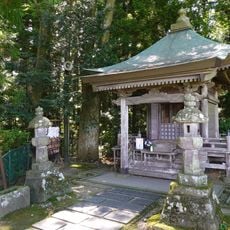
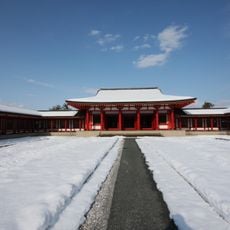
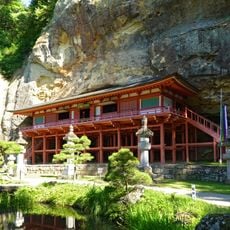
During the twelfth century, the Hiraizumi region formed an important power center, whose traces remain visible today in Buddhist temple complexes and garden remnants. After centuries as part of Japan's northern frontier, it became a distinct prefecture only in the late nineteenth century.
Each region within the prefecture maintains distinct craft traditions, including handmade iron kettles and lacquerware produced in small workshops using techniques passed down through generations. Local matsuri combine temple rituals with street processions, during which residents carry portable shrines through their neighborhoods on their shoulders.
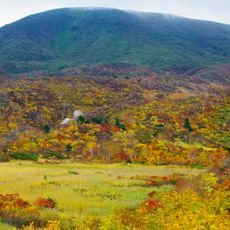
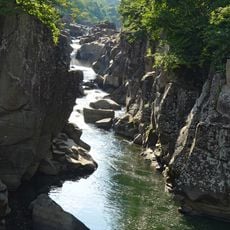
A longer stay allows travelers to explore different coastal stretches and mountain valleys at their own pace, with several main rail lines connecting larger towns. Spring and autumn bring milder temperatures well suited to outdoor activities, while winter brings snow to higher elevations.
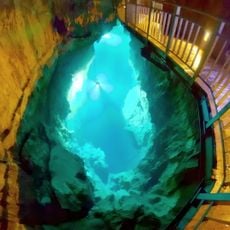
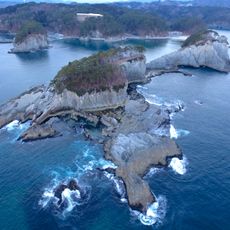
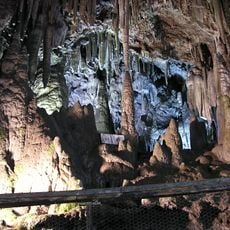
The Michinoku Coastal Trail runs for many kilometers along the entire coast, linking small fishing villages with cliffs and beaches that often remain empty outside summer months. Inland, the Ryusendo Cave holds underground lakes counted among the clearest in Japan and home to several bat species.
The community of curious travelers
AroundUs brings together thousands of curated places, local tips, and hidden gems, enriched daily by 90,820 contributors worldwide.