Takadachi Gikeidō, Buddhist chapel in Hiraizumi, Japan
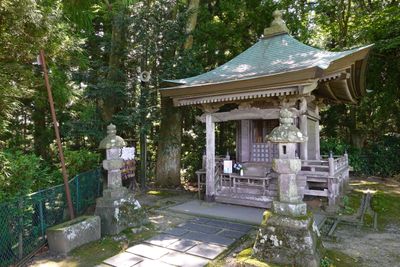
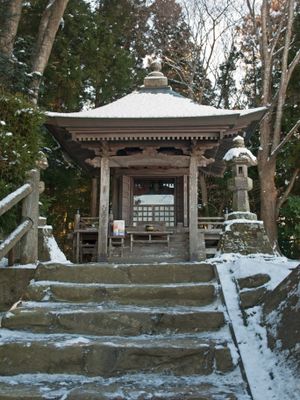
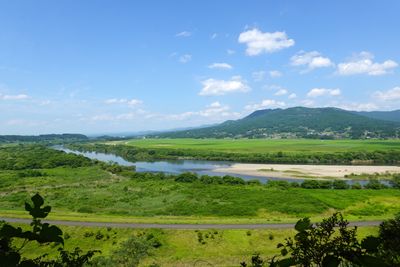
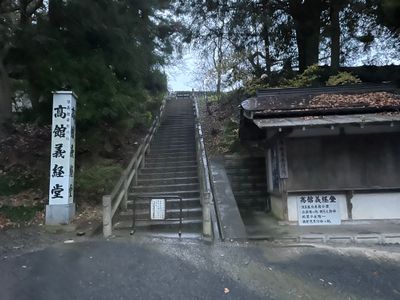
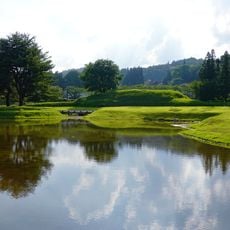
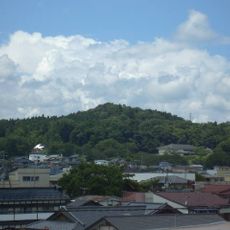
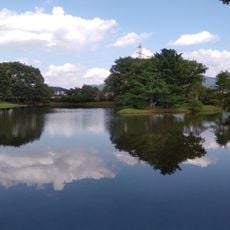
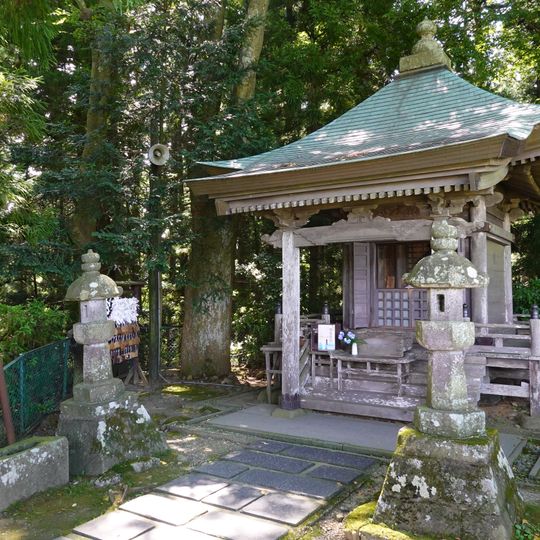
Takadachi Gikeidō is a memorial shrine on a hill in Hiraizumi, overlooking the Kitakami River and surrounded by trees and grasses. The wooden building shows a curved roof in the traditional style, and the path leads up stone steps through a quiet landscape to the entrance.
The hill holds the site of the Koromogawa Palace of Fujiwara no Motohari, recorded in the Azuma Kagami, where Minamoto no Yoshitsune died in 1189. In 1683 Date Tsunamura, fourth daimyō of Sendai Domain, built a memorial chapel here and enshrined a statue of Yoshitsune. The present chapel was rebuilt in 1808 and holds an armoured image of Yoshitsune from the Hōreki era. Matsuo Bashō visited in 1689.
The chapel is a Buddhist dō, not a Shinto shrine, and takes the name Takadachi from the hill where the Koromogawa Palace stood. Matsuo Basho visited on 29 June 1689 and wrote the haiku beginning "Natsu kusa ya" (summer grasses) about the warriors' dream ruins; a memorial stele later marked the spot. The Gikeiki chronicles Yoshitsune and Benkei here, feeding the Noh and kabuki plays about them.
Access is through a stone stairway leading up the hill, and the path can become slippery after rain. The best time to visit is early morning or late afternoon when the light over the river becomes softer.
The shrine stands at the exact spot where Benkei, a monk and fighter, defended his lord in 1189 and died standing upright. Visitors often hear about this final stance, which became a symbol of loyalty and courage in Japan.
The community of curious travelers
AroundUs brings together thousands of curated places, local tips, and hidden gems, enriched daily by 93,983 contributors worldwide.