Mount Hayachine, Mountain summit in Iwate Prefecture, Japan
Mount Hayachine is a 1,917-meter peak in the Kitakami Range, composed of peridotite olivine and serpentine rock. Its upper slopes are bare rock and low vegetation, with a dense band of forest below; the summit ridge runs nearly level with a gentle dip and, in snow, shows dark rock ribs and gullies. The summit lies on the border of Miyako, Tōno, and Hanamaki.
Mount Hayachine is built from peridotite olivine and serpentine rock, part of one of Japan's oldest geological formations. Its northern slope of 1,370 hectares was designated a Special Nature Conservation Area on 17 May 1975, and on 10 June 1982 a further 5,463 hectares became Hayachine Quasi-National Park.
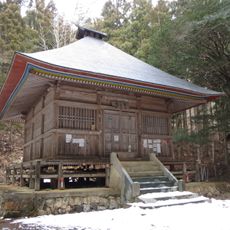
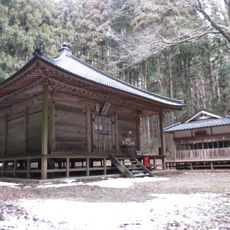
Hayachine Shrine stands both at the summit and in the Gaku settlement at the foot of the mountain, and mountain worship has been practiced here since the era of Shinto-Buddhist syncretism. In Gaku, the Hayachine Kagaku is performed: dancers wield swords in a vigorous dance passed down in the settlement.
The mountain is accessible via Route 396 from Morioka, which connects to Route 43 heading toward Hayachine Dam until you reach the registration point. Plan time for check-in and bring suitable gear for climbing on rocky terrain.
The entire mountain is made of peridotite and serpentine, and its rock supports a very high share of endemic plants, including Hayachine Usuyukiso. It is also the southernmost place where Sakhalin spruce grows wild in Honshu, a fact protected as a national Natural Monument.
The community of curious travelers
AroundUs brings together thousands of curated places, local tips, and hidden gems, enriched daily by 93,471 contributors worldwide.