Sannai-Maruyama Site, Archaeological site in Aomori, Japan.
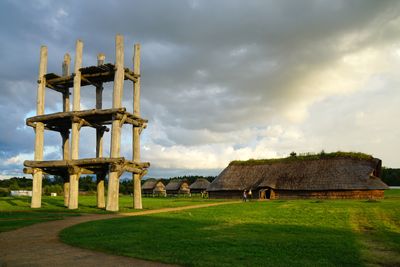
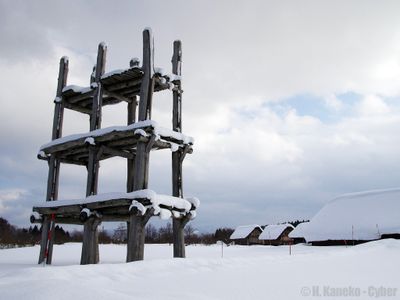
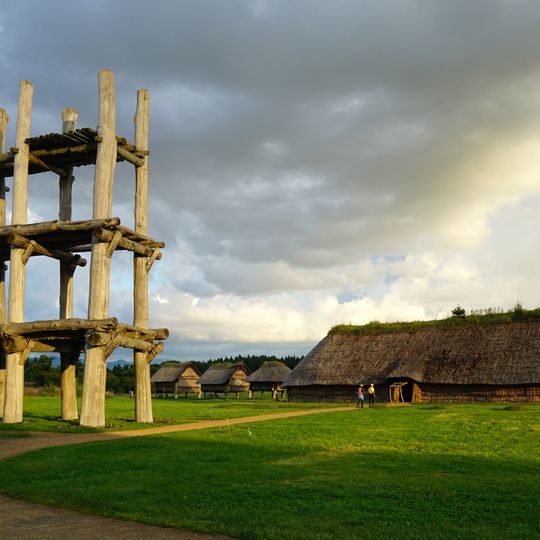
Sannai-Maruyama is a large excavation site on a river terrace in Aomori Prefecture, where remains of a major Jomon settlement were uncovered. The grounds show reconstructed pit dwellings with post structures, covered shelters over original excavation areas, and storage buildings that offer insight into life over 5000 years ago.
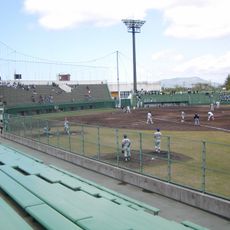
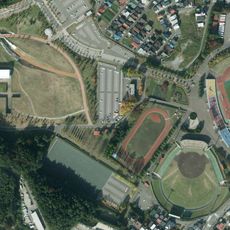
The settlement emerged around 3900 BC during the Jomon period and remained inhabited for roughly 1700 years. Archaeologists began systematic excavations in 1992 after the area was planned for a baseball stadium.
The name comes from the nearby village of Sannai and the circular earthen depressions that archaeologists discovered across the site. Visitors today see faithful reconstructions with thatched roofs and learn how Jomon people lived in pit houses and crafted tools from stone and wood.
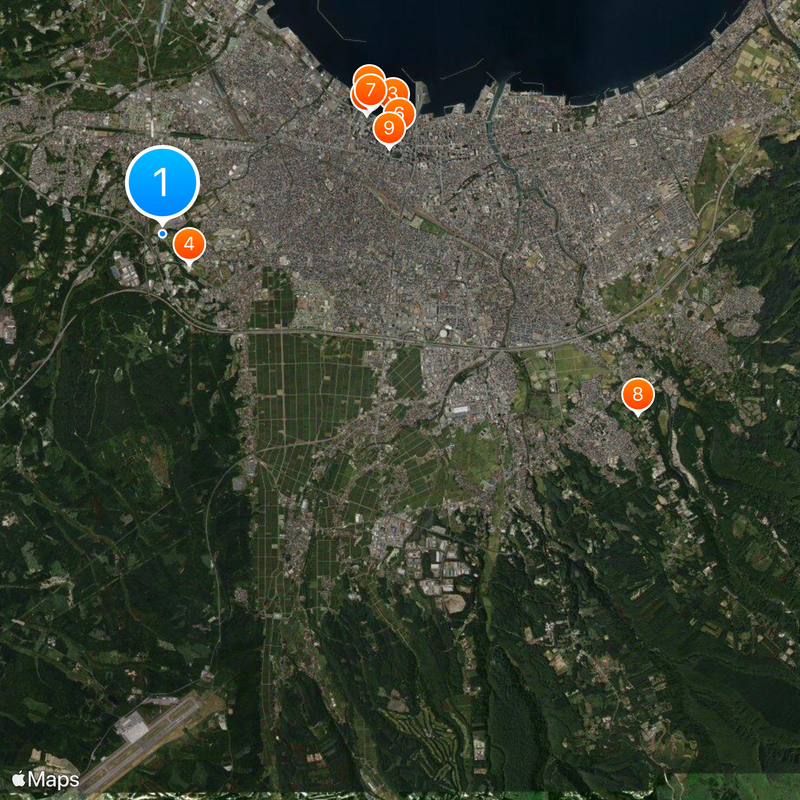
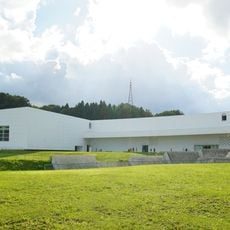
The site lies north of the city center and is accessible by public transport. The visitor center offers information panels in Japanese and English, and guided tours help explain the different excavation zones.
Excavators uncovered traces of more than 600 refuse pits that show how residents disposed of waste and recycled organic matter. These trash deposits contained remains of nuts, fish bones, and animal bones that reveal details about the diet of the time.
The community of curious travelers
AroundUs brings together thousands of curated places, local tips, and hidden gems, enriched daily by 91,376 contributors worldwide.