Irie-Takasago Shell Mounds, Archaeological midden in Tōyako, Japan
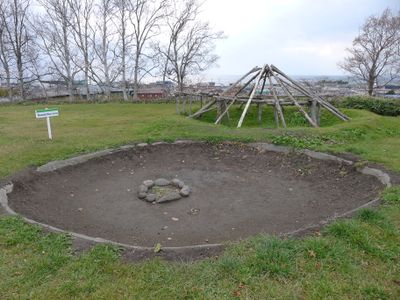
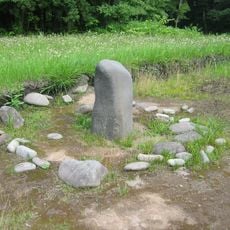
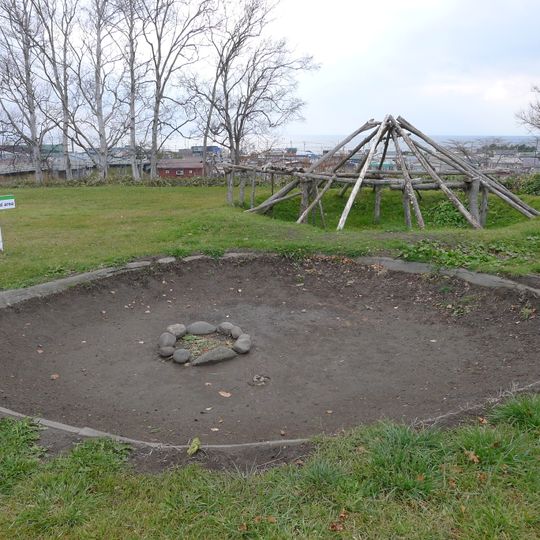
Irie-Takasago Shell Mounds are archaeological sites in the Tōyako region containing multiple layered deposits of shell remains and artifacts from thousands of years of human settlement. The excavations reveal evidence spanning several periods of early Japanese prehistory.
The shell mounds formed around 4,000 to 5,000 years ago during the Jōmon period and document early Japanese cultural development. They show how people transitioned from nomadic groups to settled communities in prehistoric times.
The excavated objects show how Jōmon people used bone fishhooks, tools, and tusk ornaments in daily life. These finds reveal their skilled fishing and crafting techniques that were central to their way of living.
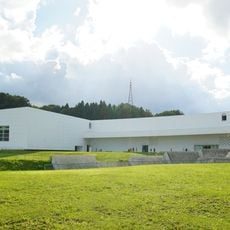
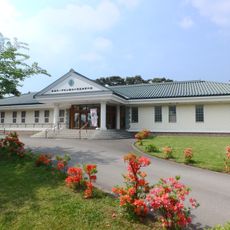
The information center at the site offers maps, guided tours, and learning materials for visitors to explore. You can learn about the excavated layers and their role in understanding this ancient period of settlement.
The shell layers reach depths of about 3 meters and preserve shells and objects that would not normally survive. This rare preservation allows researchers to reconstruct very detailed information about daily life and diet from this early period.
The community of curious travelers
AroundUs brings together thousands of curated places, local tips, and hidden gems, enriched daily by 91,380 contributors worldwide.