Togoshi hachiman-jinja, Shinto shrine in Japan
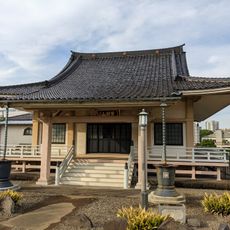
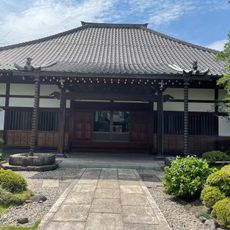
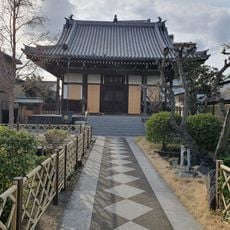
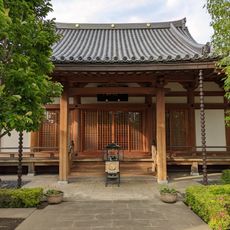
Togoshi Hachiman-jinja is a Shinto shrine in Shinagawa-ku, Tokyo, founded in 1526 when a monk named Gyōkō enshrined a statue of Hachiman at the site of a spring. The shrine was moved to its present location in 1693. Its main hall was rebuilt in 1855 and stands within compact grounds that also contain a Kasuga shrine and an Inari shrine.
The shrine began in 1526, when the monk Gyōnichi found a statue of Hachiman at the spring of Yabushimizu Pond and enshrined it with a divided spirit from Iwashimizu Hachimangū in Kyoto. In 1593 the monk Nen'yo of the nearby Gyōkei-ji built a Hachiman shrine at the site, and in 1690 it was moved to its present location. The worship hall was rebuilt in 1855.
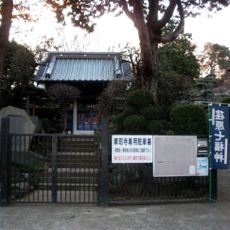
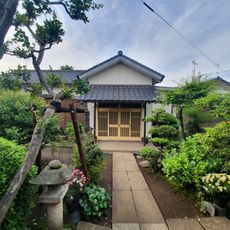
The shrine's name Togoshi derives from a poem about the original hermitage, whose wishes were said to come true; the poem's phrase Edo-goe (crossing Edo) became the place name. The shrine also houses two subsidiary shrines, Kasuga-sha and Inari-sha, which visitors can see within the grounds.
The shrine is about 8 minutes on foot from Togoshi Station on the Toei Asakusa Line, and about 10 minutes from Togoshi-Ginza Station on the Tokyu Ikegami Line or Togoshi-Koen Station on the Tokyu Oimachi Line. Entry is free, and the Togoshi-Ginza shopping street lies nearby.
The shrine's name Togoshi comes from a poem about the original hermitage, whose wishes were said to come true at once: "Crossing over from Edo, above the clear water stands Jōju-an; no day passes without the thread of prayer unraveling." The verse links the place to the old village name Edo-goe, later shortened to Togoshi.
The community of curious travelers
AroundUs brings together thousands of curated places, local tips, and hidden gems, enriched daily by 94,831 contributors worldwide.