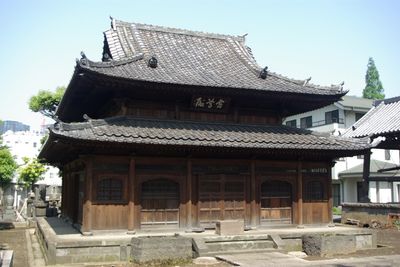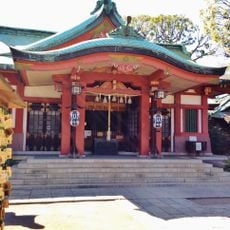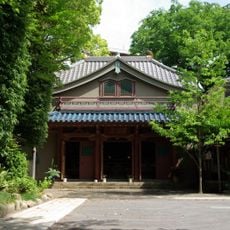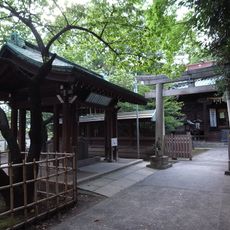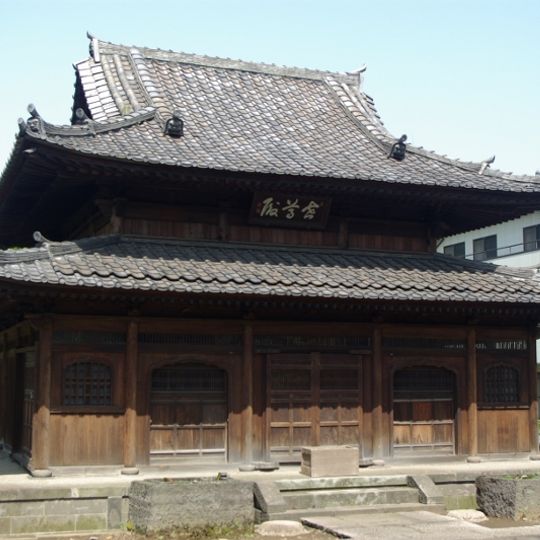
Tōkai-ji, Buddhist temple in Kita-Shinagawa, Japan
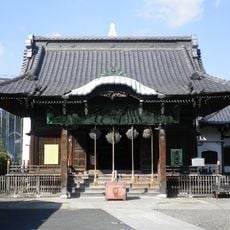
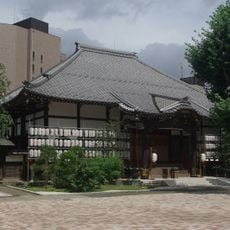
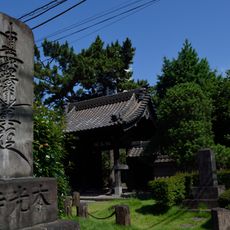
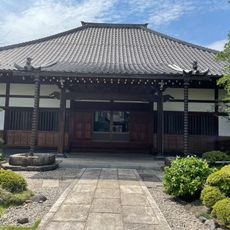
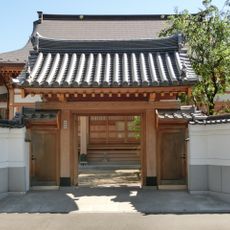
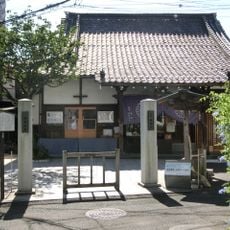
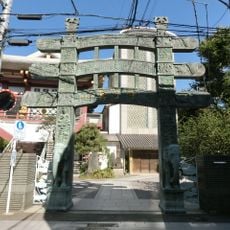
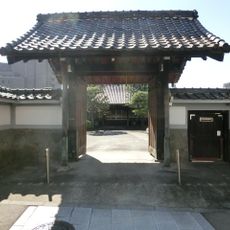
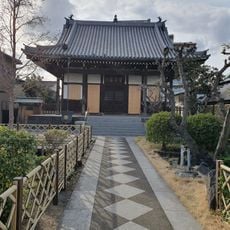
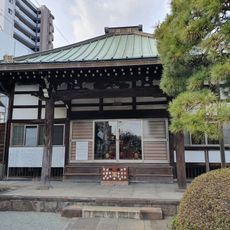
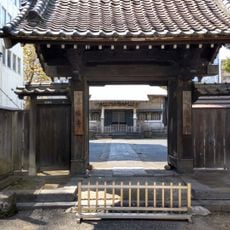
Tōkai-ji is a temple composed of several structures arranged around quiet garden areas and enclosed by stone walls and traditional wooden gates. The complex includes a bell tower, a main hall, and organized outdoor spaces that follow the classical layout of a Japanese temple.
The temple was established in 1639 under the influence of a renowned Zen master, which shaped its early spiritual direction. This founding period connects it to a pivotal era of Japanese feudal history.
The temple serves as an active place where Buddhist rituals continue to be practiced, and visitors can observe sacred statues displayed in the main hall that hold spiritual meaning for worshippers. This living practice shapes how people engage with and move through the space today.
The temple is reachable on foot from two different train stations depending on which approach you take. The walk from the nearest station takes just a few minutes, while the other station requires roughly twice that time.
A renowned Zen master involved in shaping this place is historically linked to a traditional pickled vegetable that bears his name and remains produced today. This connection between spiritual guidance and culinary craft shows how the master's knowledge extended beyond the temple walls.
The community of curious travelers
AroundUs brings together thousands of curated places, local tips, and hidden gems, enriched daily by 92,842 contributors worldwide.