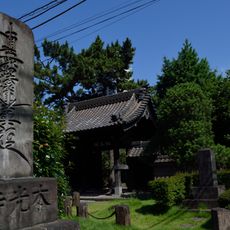
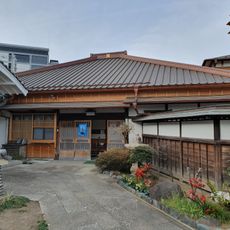
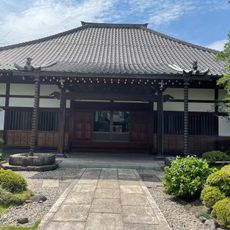
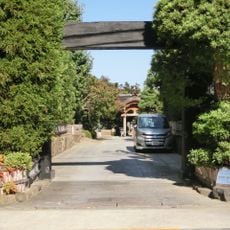
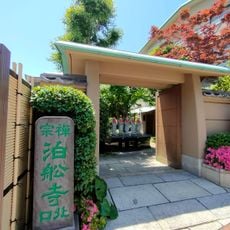
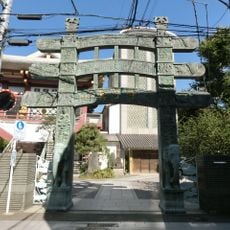
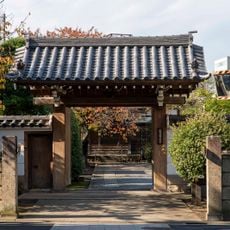
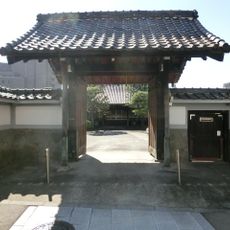
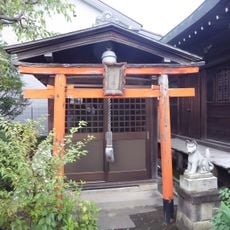
Kaiun-ji, Buddhist temple in Shinagawa-ku, Japan
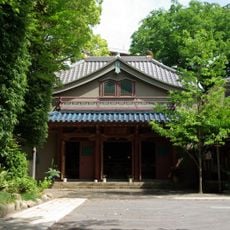
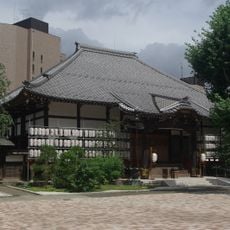
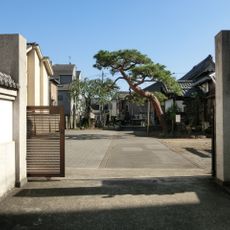
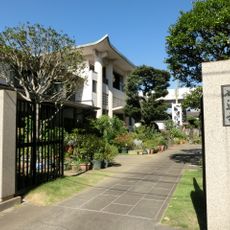
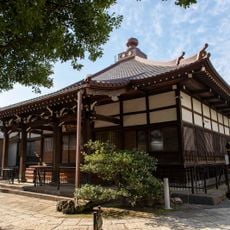
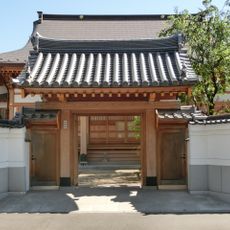
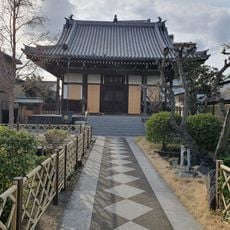
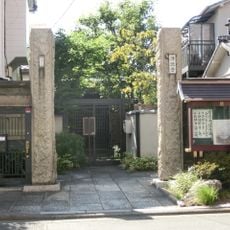
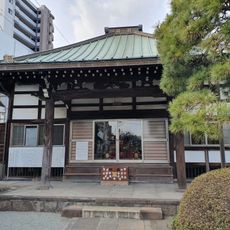
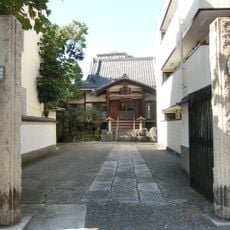
Kaiun-ji is a Soto Zen temple in Shinagawa, Tokyo, founded in 1251 and known for enshrining the Sen-tai Kojin. Its grounds include the main hall, the Sen-tai Kojin hall with 27 votive plaques, and a statue of the Eleven-Faced Kannon from the temple's founding.
Kaiun-ji traces its origin to 1251, when the monk Fuzan founded a sub-temple called Zuirin within the nearby Kaian-ji, then a Rinzai Zen temple. In 1596 the fifth abbot, Gohi Sokan, made it independent and converted it to the Soto school, and in 1661 it received the name Kaiun-ji. Its mountain name is Ryugin-zan.
Kaiun-ji is known for enshrining the Senkei Kōjin, a deity whose statue is said to have been carved by the Indian craftsman Bishukatsuma. The temple's name, meaning "Sea Cloud Temple", was adopted in 1661 when it became independent from the nearby Kaian-ji. The grounds also hold a stone for lifting strength (chikaraishi) used until the mid-Taishō period.
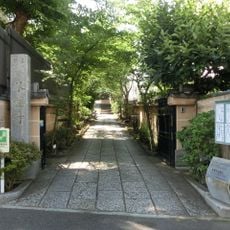
Kaiun-ji is a four-minute walk from Aomono-yokocho Station on the Keikyu Main Line; the route is signposted. The temple grounds lie in Shinagawa-ku, Tokyo, and the Keikyu line runs directly past the site, which is why the Hiragoro Jizo was moved here in 1900.
The temple's Senkei Kōjin statue is said to have been carved in India by Vishvakarman and once stood in Amakusa, Higo Province. Nabeshima Naozumi prayed to it before the Shimabara Rebellion and later moved it to the Saga domain's Edo residence; in 1770 it was transferred here.
The community of curious travelers
AroundUs brings together thousands of curated places, local tips, and hidden gems, enriched daily by 94,297 contributors worldwide.