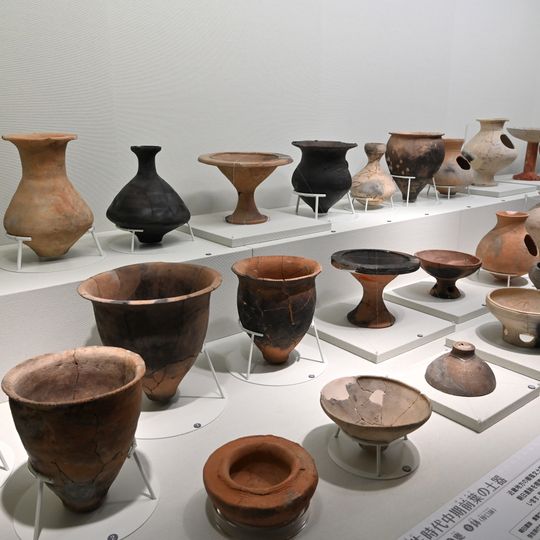
Asahi Site, Archaeological site in Kiyosu, Japan.
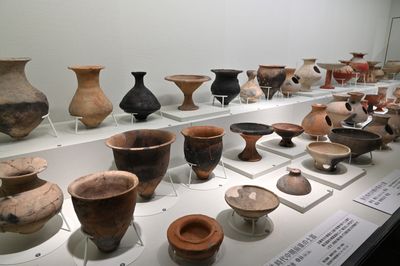
The Asahi Site is an archaeological dig with a shell midden layer about 15 meters across and 2.5 meters deep. These deposits hold pottery, tools, animal bones, and sea remains from thousands of years ago.
The site dates from the late Jomon period, continues through the Yayoi period, and extends into the early Kofun period. It gained National Historic Site status in 1971.
The items found here show how people hunted and farmed to survive in this place. Tools and bones tell the story of daily work in an ancient community.
A visitor center next to the excavation provides information about the archaeological findings and displays original artifacts from the period. It helps to visit the center first to better understand what you will see at the dig site.
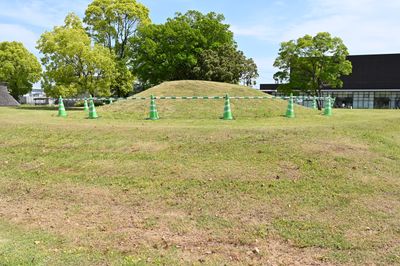
Near the dig site are the ruins of the ancient Asahi village, where over 1,000 people once lived. The village was defended by a protective ditch and had burial mounds arranged in a square pattern.
The community of curious travelers
AroundUs brings together thousands of curated places, local tips, and hidden gems, enriched daily by 60,000 contributors worldwide.