普門寺, Buddhist temple in Hiroshima, Japan
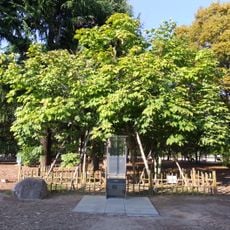
Fumon-ji is a Buddhist temple in Hiroshima built with traditional wooden architecture featuring sliding doors and tatami mat rooms. Its adjoining garden displays carefully positioned stone lanterns and maintained plants typical of Japanese temple grounds.
Founded in 740 when the monk Gyōki, staying in Yoshida, had a fisherman raise a Kannon image from the riverbed and enshrined it in a hall. The temple was long called Kannon-bō and moved between Yoshida, Uchikoshi and Hirose before Fukushima Masanori relocated it to its present site and named it Hachiya-zan Fumon-ji. Its mountain name recalls an old man who saved the monk Raien with a Hachiya persimmon.
Fumon-ji is the 69th stop on the Hiroshima New Shikoku 88 Temple Pilgrimage. Its main image is a Shō Kannon statue said to have come from the Mōri family, and the temple is also known for its shidare-zakura, a weeping cherry that blooms from late March to early April.
The temple is easily accessible by multiple bus lines that stop within walking distance of the grounds. Visitors should dress respectfully and move quietly through the space, especially when ceremonies are taking place.
The temple's main image, a Shō-Kannon statue, is said to have been pulled from a river by the monk Gyōki in 740, after villagers reported a light shining from the riverbed. The mountain name Hachiwayama comes from a legend in which an old man holding a Hachiya persimmon saved the starving monk Raien.
The community of curious travelers
AroundUs brings together thousands of curated places, local tips, and hidden gems, enriched daily by 93,390 contributors worldwide.