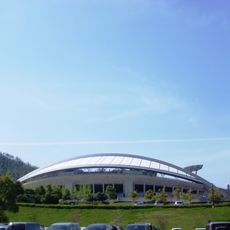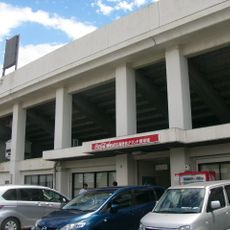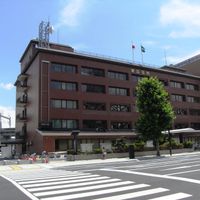
Hiroshima, Prefectural capital in western Honshu, Japan
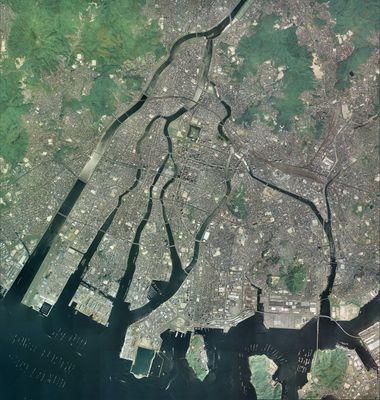
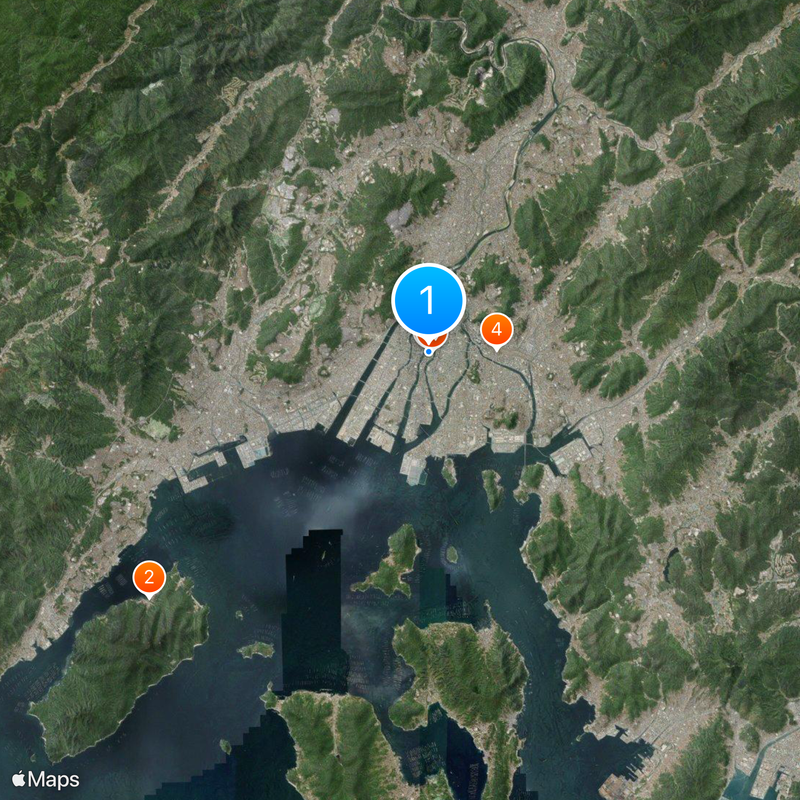
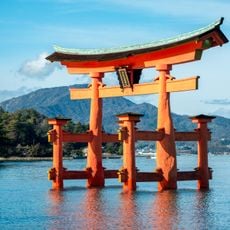
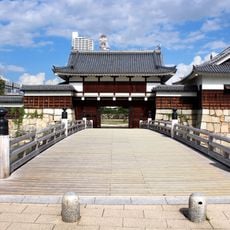
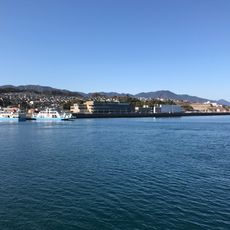
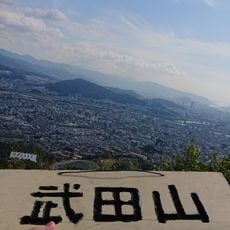
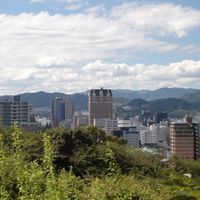
This prefectural capital in western Honshu sits at the delta of the Ota River, where eight administrative wards form a connected urban landscape. The settlement extends across river channels and waterways that thread through the metropolitan area, linking different neighborhoods with bridges and riverside streets.
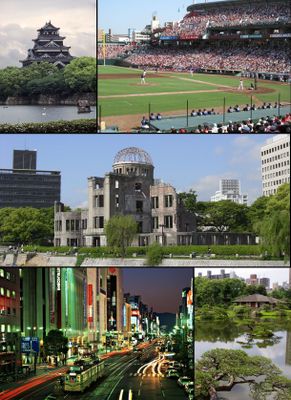
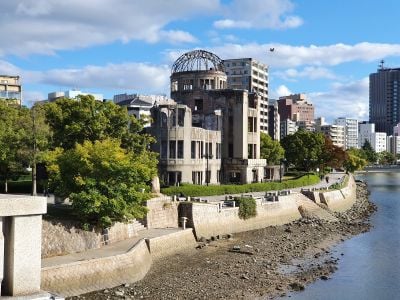
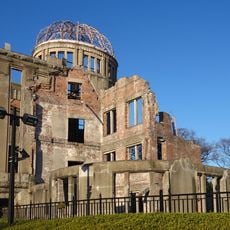
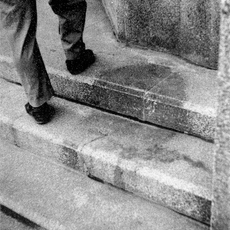
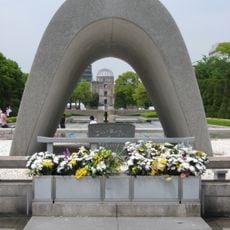
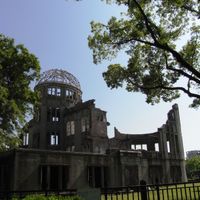
The settlement began in 1589 when Mori Terumoto built a castle and surrounding town, which grew into a regional power center during the Edo era. Life changed fundamentally on August 6, 1945, when it became the first city in the world targeted by an atomic bomb, leading to complete reconstruction in the following decades.
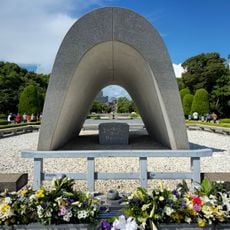
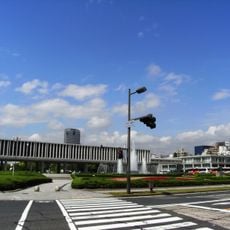
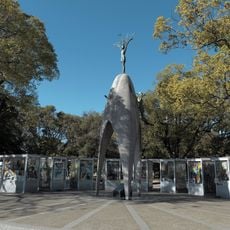
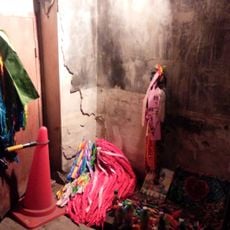
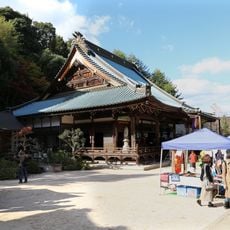
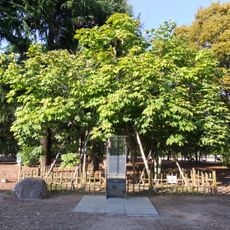
Residents honor remembrance traditions through annual ceremonies and quiet daily rituals at memorial sites, where families and schoolchildren gather to learn and reflect together. The community maintains a welcoming atmosphere toward international visitors, combining everyday warmth with a strong commitment to sharing stories and promoting dialogue about lasting peace.
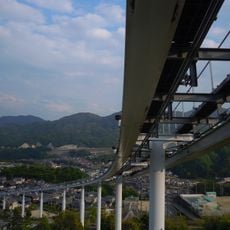
Public transport links all districts through a network of trains, trams and buses, allowing visitors to move around the city without difficulty. Most places of interest lie within walking distance of each other or can be reached by short tram rides from central areas.
Chefs here prepare a local version of okonomiyaki by stacking ingredients like cabbage, noodles and egg in separate layers rather than mixing them together. This regional cooking method differs noticeably from versions elsewhere and emerged from the need to create filling meals with limited ingredients after wartime hardship.
The community of curious travelers
AroundUs brings together thousands of curated places, local tips, and hidden gems, enriched daily by 90,875 contributors worldwide.