Hiroshima Castle, Japanese castle in Motomachi district, Hiroshima, Japan
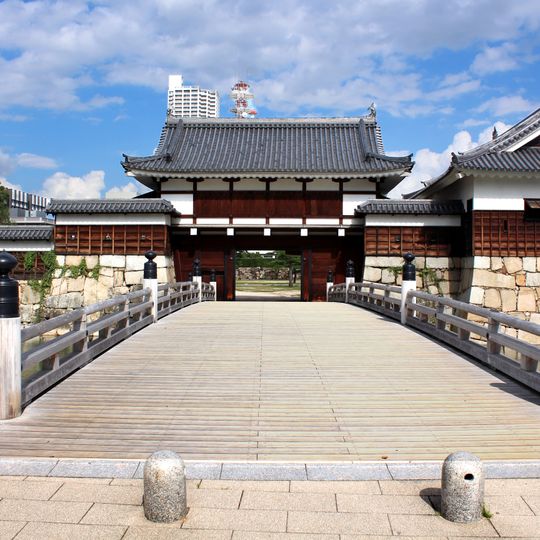
Hiroshima Castle is a flatland castle whose five-tier keep, rebuilt in reinforced concrete in 1958, rises 26.6 metres above a 12.4-metre stone base and now houses a history museum. The keep has attached wings to the east and south, and the innermost moat still holds water; the two outer moats were filled in during the late 19th and early 20th centuries.
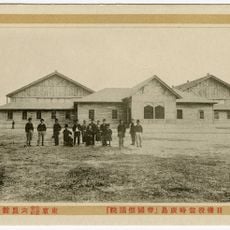
Mōri Terumoto built the castle between 1589 and 1599 on the Ōta River delta, moving there from Yoshida-Kōriyama Castle in 1591. After the 1600 Battle of Sekigahara, Fukushima Masanori took over and added three concentric moats; in 1619 the Asano family began 12 generations of rule. The 1945 atomic bomb toppled the keep and most remaining Edo-period buildings, though the concrete bunker of the China Military District headquarters survived and sent the first radio report. The present keep, largely of reinforced concrete, was completed in 1958.
The name translates literally as Carp Castle, referring to an older designation for this area in the river delta. Inside, several floors display armor, weapons and everyday items from the samurai era, drawing school groups and history enthusiasts to this day.
The museum opens daily except during New Year holidays and allows visitors to explore all floors, with final entry about half an hour before closing. The park surrounding the structure is freely accessible and suits a walk along the moats.
The concrete bunker of the China Military District Headquarters stands in the Honmaru, its walls along the inner moat; from here the first radio report after the 6 August 1945 bombing was transmitted, and it was the only structure left standing.
The community of curious travelers
AroundUs brings together thousands of curated places, local tips, and hidden gems, enriched daily by 93,766 contributors worldwide.