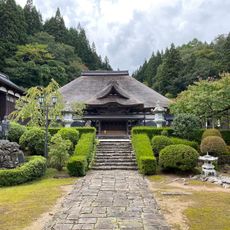
Honjō Castle, Feudal castle ruins in Yurihonjo, Japan
Honjō Castle spreads across three concentric layers built into a hillside, protected by earthen ramparts and moats that formed defensive rings around the main fortified area. The innermost section held the primary administrative structures of the domain.
Tateoka Mitsushige built this fortress in 1613 to govern the Honjo Domain in the Yuri region of Dewa Province. In 1868, during Japan's Boshin War, imperial forces destroyed it when the domain sided with the losing coalition.
The site has alternate names Tsurumai-jo and Ozaki-jo, reflecting the hirayama architectural approach that worked with natural terrain rather than against it. This style shaped how the fortification was laid out across the landscape.
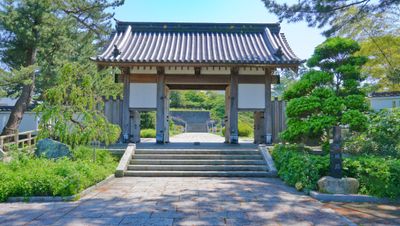
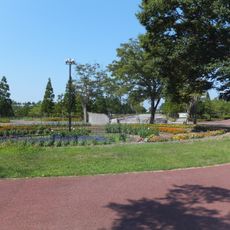
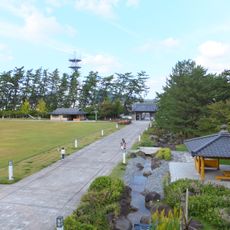
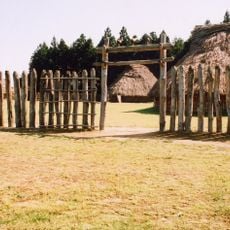
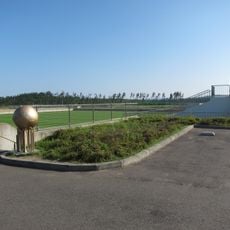
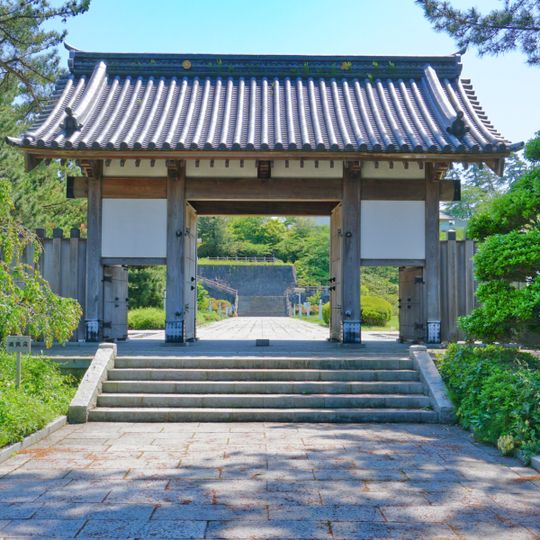
You enter the castle grounds through Honjo Castle Park, which protects original moats and earthworks while displaying a reconstructed gate that shows what the entrance once looked like. The layout is clearly marked, making it easy to walk through and follow the defensive lines.
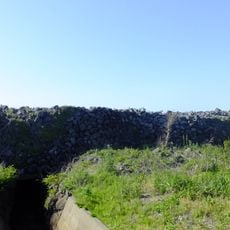
The castle's defensive design relied heavily on earth and water rather than stone walls, which was common in this region and left archaeological traces that are still visible today. The remaining earthworks show how builders took advantage of the hill's natural slope to create stronger defenses.
The community of curious travelers
AroundUs brings together thousands of curated places, local tips, and hidden gems, enriched daily by 91,665 contributors worldwide.