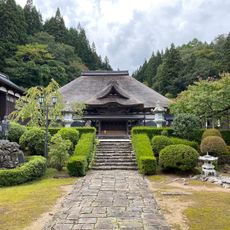
Chōkoku-ji, Buddhist temple in Yurihonjo, Japan.
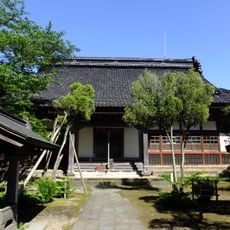
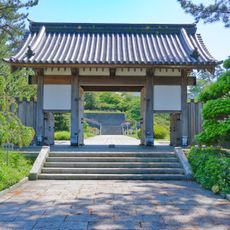
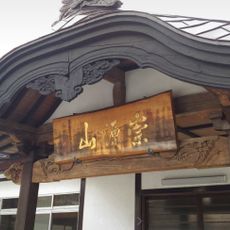
Chōkoku-ji is a Sōtō Zen temple in Akada, Yurihonjo, founded in 1775. Its main object of worship is a wooden, gold-leafed Eleven-Headed Kannon standing about 9 meters tall, known as the Akada Daibutsu. The temple grounds include a Daibutsudō hall registered as a national tangible cultural property, and the temple is the 8th stop on the Akita Thirty-Three Kannon pilgrimage.
The monk Zesan Taikaku founded the temple in 1775 as Fudō-an; the main hall was established in 1792. Carving of the 9-metre Eleven-Headed Kannon began in 1784 around a small image said to be cut from the same wood as the Kamakura Hase-dera statue, and was completed in 1786. A fire destroyed all buildings in 1888; the Kannon was restored in 1892 and the main hall in 1901.
The temple's name, Chōkoku-ji, is read from the same characters as Hase-dera, and its Kannon image is counted among Japan's three great Hase Kannon alongside Nara and Kamakura. On 21 and 22 August the Akada Daibutsu Matsuri, a Shinto-Buddhist rite, prays for good harvests and household safety. The temple is the 8th stop on the thirty-three Kannon pilgrimage sites of Akita.
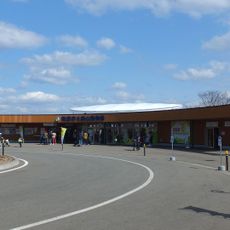
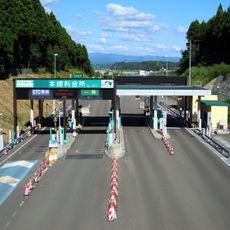
Chōkoku-ji lies about 5 km from the Ōuchi junction of the Nihonkai-Tōhoku Expressway, via Akita Prefectural Route 69, and has a car park. By train, take the Uetsu Line to Ugo-Honjō Station, then about 25 minutes by car; Ugo Kōtsū buses stop near the Akada Daibutsu. The grounds are visited on foot.
The 9-metre wooden Eleven-Headed Kannon, known as Akada Daibutsu, was begun in 1784 around a small image said to be carved from the same wood as the Kamakura Hase-dera main image, and finished two years later. It is counted among Japan's three great Hase Kannon and is a city-designated cultural property.
The community of curious travelers
AroundUs brings together thousands of curated places, local tips, and hidden gems, enriched daily by 93,659 contributors worldwide.