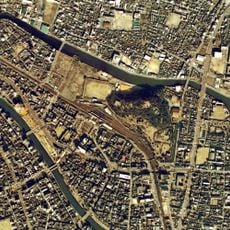
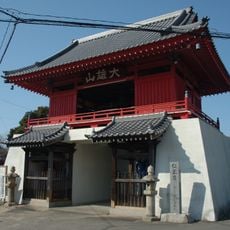
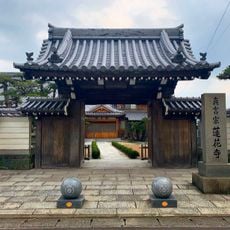
Tōshō-ji, Buddhist temple in Tokushima, Japan.
Tōshō-ji is a Shingon Daikaku-ji school temple in the Fukushima district of Tokushima, with the mountain name Jōeizan and the Eleven-Faced Kannon as its principal image. It is the 79th stop on the New Shikoku Mandala Pilgrimage and also serves the Awa Chichibu Kannon, Awa Six Jizō and Tokushima Twenty-Four Jizō routes.
Tōshō-ji was founded in 1625, in the second year of the Kan'ei era, as a temple of the Shingon Daikaku-ji school on the island of Shikoku. It is the 79th stop on the Shikoku Mandala pilgrimage route, the 28th on the Awa Chichibu Kannon route, the 3rd on the Awa Six Jizō route and the 22nd on the Tokushima Twenty-Four Jizō route. Its main image is an Eleven-Faced Kannon.
Tōshō-ji belongs to the Daikaku-ji branch of Shingon Buddhism and is the 79th stop on the Shikoku Mandala pilgrimage route. It also holds places on the Awa Chichibu Kannon route (28th), the Awa Six Jizō route (3rd) and the Tokushima Twenty-Four Jizō route (22nd). At the Tokushima Seven Lucky Gods circuit it represents Fukurokuju, the god of longevity.
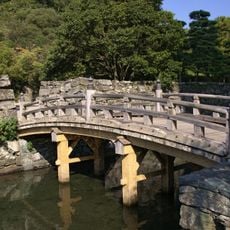
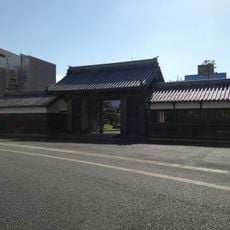
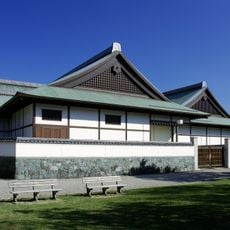
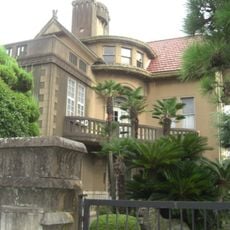
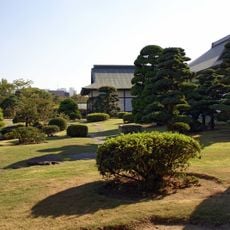
You can explore the grounds at your own pace, taking time to walk through the gardens and observe the buildings and their layouts. If rain falls, the garden paths become slippery, so wear sturdy shoes and watch your footing throughout the site.
The temple's main image is a wooden Jizō Bosatsu in half-cross-legged pose, 84.2 cm tall, carved from joined cypress with colouring and crystal eyes. It is dated to the late Kamakura to early Muromachi period and was designated an Important Cultural Property in 1911, worshipped as Enmei Jizō for long life.
The community of curious travelers
AroundUs brings together thousands of curated places, local tips, and hidden gems, enriched daily by 93,366 contributors worldwide.