Keta-hongū, Shinto shrine in Japan
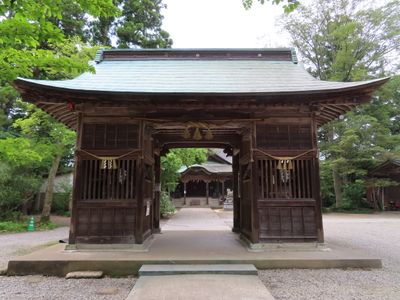
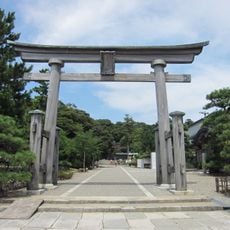
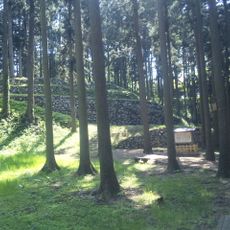
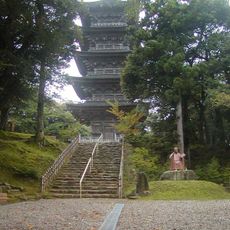
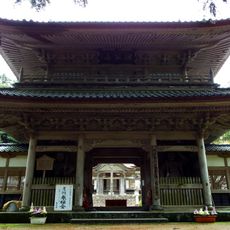
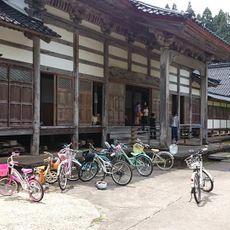
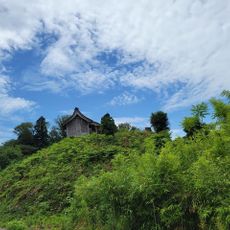
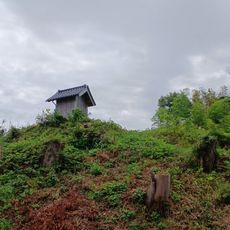
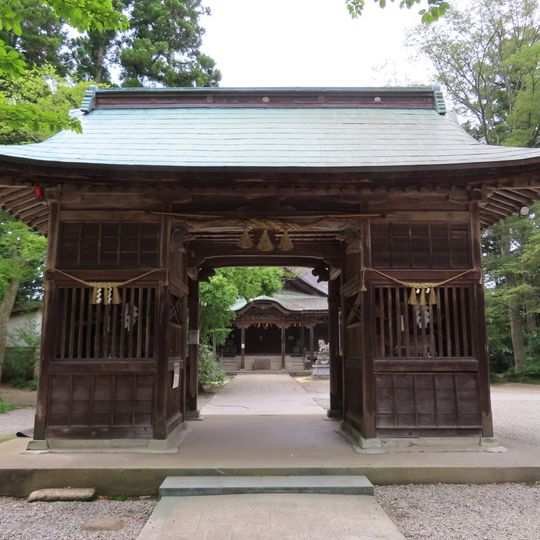
Keta-hongū is a Shinto shrine in Nanao, Japan, set on a peninsula close to the coast and surrounded by old trees. The main hall, built in 1787, is made of unpainted wood and follows a plain traditional style with no decorative coating.
The shrine appears in an official text from 927, which shows it was already well established long before that date. The current main hall was built in 1787, replacing earlier structures that had been damaged or worn over the centuries.
The shrine is known as a place where people come to pray for love and relationships, and many visitors leave small wooden plaques with personal wishes written on them. These plaques hang in rows near the main hall, giving the area a personal and quiet character.
The shrine can be reached by bus from nearby towns, and arriving early in the morning gives a quieter experience of the grounds. The site is outdoors and easy to walk around, so comfortable footwear is recommended.
Every December, a ritual called Uki Matsuri takes place in which a cormorant that has been kept without food is released, and the direction of its flight is read as a forecast for the year ahead. This form of bird-based divination is rare in Japan and makes this one of the few places where it is still practiced.
The community of curious travelers
AroundUs brings together thousands of curated places, local tips, and hidden gems, enriched daily by 91,086 contributors worldwide.