檢見川神社, Shinto shrine in Japan
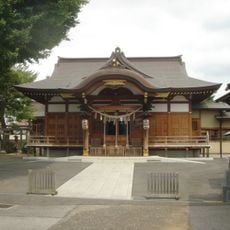
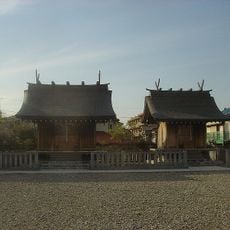
Kenmigawa Shrine (檢見川神社) is a Shinto shrine in the Hanamigawa-ku district of Chiba, Japan, set among old trees and small secondary structures on the same grounds. The main hall stands at the center, flanked by several smaller shrines each devoted to a different deity covering themes such as academic success, earthquake safety, and children's health.
The shrine began in 869, when Susanoo was worshipped at a site called Saga, north of the present grounds, during a nationwide epidemic. In 934 a descendant of Taira no Haruyasu, linked to Emperor Saga, founded a hall there after a sacred mirror of Susanoo was unearthed and an oracle blamed the plague on unauthorized clearing of the land. The hall was moved to the present Hanawadai site in the 1590s; in 1616 Kaneda Masaaki, a shogunate retainer who held Kenmigawa, added Ukanomitama, and in the Kan'ei era Izanami was merged in. It was renamed Kenmigawa Shrine from Yasaka Shrine in 1987.
The shrine's name changed from Yasaka Shrine to Kenmigawa Shrine in 1987. Its crests are the go-ka ni karahana, the modified flame jewel and the kuyo. In August 2022 it began issuing Japan's first NFT good-luck charms, digital amulets stored on a phone that are automatically burned a year later.
The shrine sits in a residential area and is easy to reach on foot, with clearly marked gates and paths through the grounds. Visitors should rinse their hands at the stone basin near the entrance before approaching the main hall, and keep voices low out of respect for those praying.
At the edge of the grounds stands a small structure called the Washi Shrine, dedicated to an eagle and linked to business fortune. It sits apart from the main area and is easy to miss, yet many visitors stop there specifically to pray for work safety and professional success.
The community of curious travelers
AroundUs brings together thousands of curated places, local tips, and hidden gems, enriched daily by 94,780 contributors worldwide.