Inage-sengen-jinja, Shinto shrine in Japan
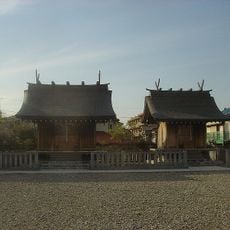
Inage-sengen-jinja is a Shinto shrine in Inage-ku, Chiba, dedicated to Konohanasakuya-hime, with Ninigi and Sarutahiko also enshrined. Its 1187 rebuilding shaped the grounds: the mound was raised in the form of Mount Fuji, three approach paths follow Fuji climbing routes, and the hall faces Fuji across Tokyo Bay. The present hall dates from 1966, after a fire of unknown cause destroyed the 1187 structure in 1964; a shrine gate was added in 2015.
The shrine has served as a religious center in the Inage area for centuries, developing alongside the local community. Its origins and evolution are tied to the district's history and the worship traditions established here over generations.
The shrine's kagura, a twelve-part dance drama, was taught in 1504 by a performer from Kyushu to the priest Okoshi Kuranosuke and then passed to villagers. Designated a prefectural intangible folk cultural property in 1962, it begins with a miko dance to welcome the deities and ends with an okagura dance to send them off. Except for the miko dance, performers wear masks and act out Japanese myths in mime, influenced by refined Edo kagura.
The shrine is best visited during warmer months or local festival periods when the grounds are most accessible and active. Visitors should follow traditional etiquette by rinsing hands and mouth at the water station before approaching the main prayer hall.
The shrine's kagura, a twelve-part masked dance drama, was taught in 1504 by a performer from Kyushu to the priest Okoshi Kuranosuke, who passed it to villagers; Chiba Prefecture designated it an intangible folk cultural property in 1962. The dance opens with a miko dance welcoming the deities and closes with a send-off and hayashi music.
The community of curious travelers
AroundUs brings together thousands of curated places, local tips, and hidden gems, enriched daily by 93,442 contributors worldwide.