Mizu-Inari-jinja, Inari shrine in Nishi-Waseda, Shinjuku, Tokyo, Japan
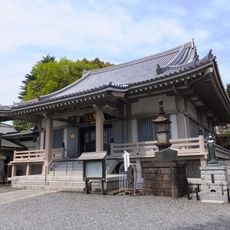
Mizu-Inari-jinja is a small Shinto shrine in Nishi-Waseda that stands quietly amid busy city streets. The grounds feature simple buildings, small red torii gates, fox statues, and green areas with maintained pathways and stone lanterns.
Fujiwara no Hidesato founded the shrine in 941 as Tomizuka Inari. In 1702 a sacred spring welled up at the root of a muku tree, gaining renown for eye ailments, and the shrine was renamed Mizu-Inari. In 1963 it moved to its present site through a land exchange with Waseda University, on the former Shimizu Tokugawa estate adjoining Kansen-en Park.
This shrine is dedicated to Inari, the god of rice and prosperity, whose messengers are foxes. Visitors can see small fox statues dressed in red cloth, and many leave offerings such as coins or wooden plaques with their wishes.
The shrine sits next to Kansen-en Park in Nishi-Waseda. It is a 5-minute walk from the Omokagebashi and Waseda stops of the Toden Arakawa tram line, 11 minutes from Nishi-Waseda Station on the Fukutoshin line, and 12 minutes from Waseda Station on the Tozai line. The Takada Fuji mound in the grounds can normally not be climbed; it opens to visitors only on Marine Day in July and the day before, during the Takada Fuji Festival.
In the grounds stands Takada-Fuji, a replica of Mount Fuji that was moved here from the Waseda University campus during its expansion. It is normally closed to climbers, but on Marine Day in July and the day before, the Takada-Fuji Matsuri opens it for anyone to ascend.
The community of curious travelers
AroundUs brings together thousands of curated places, local tips, and hidden gems, enriched daily by 93,401 contributors worldwide.