Hikawa Tapınağı, Shinto shrine in Numabukuro, Nakano, Tokyo, Japan
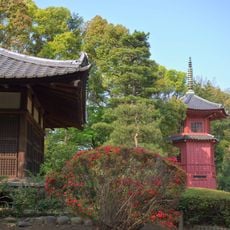
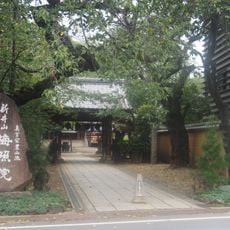
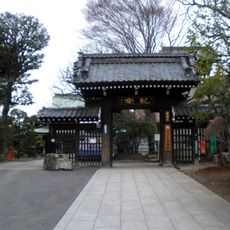
Hikawa Shrine in Nakano is a small Shinto sanctuary with traditional wooden buildings and tall trees surrounding the grounds. The main hall features natural carvings, the pathways are well maintained, and the scent of incense hangs gently in the air throughout the site.
Founded during the Shōhei era (1346–1370) as a branch of Hikawa Shrine in Musashi Province, this sanctuary was used as a camp by Ōta Dōkan during the 1477 battle against the Toshima clan. He planted a cedar in prayer for victory; known as Dōkan Sugi, it grew to about 30 meters and died in 1942, leaving a stump. The current hall dates from 1991, after a 1990 arson fire destroyed the 1988 building.
The shrine bears the Hikawa name and serves as a gathering place where the local community has come together for generations. Visitors can observe people making coin offerings, ringing bells, and writing wishes on wooden plaques that hang on special boards throughout the grounds.
The shrine is easily accessible from Numabukuro Station on the Seibu Shinjuku Line, just a 2-minute walk away, and lies within short distance from Nakano Station as well. Free parking for approximately 30 vehicles is available if you prefer to arrive by car.
The shrine grounds hold the stump of the Daikan-sugi, a cedar said to have been planted by Ōta Dōkan before the 1477 battle of Ekoda-Numabukurohara, praying for victory. It grew to about 30 metres and was long cherished before dying in 1942; the stump remains on the grounds.
The community of curious travelers
AroundUs brings together thousands of curated places, local tips, and hidden gems, enriched daily by 94,827 contributors worldwide.