Yanaidanu-no-Oyama Kofun, Ancient burial mound in Himi, Japan
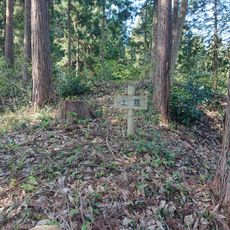
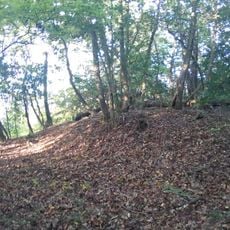
Yanaidanu-no-Oyama Kofun is a keyhole-shaped mound in Himi, Toyama Prefecture, measuring 107.5 m long, with a 54 m rear square section and a 53.5 m front section, both built in two tiers. An irregular moat 5–18 m wide and 1.2–2.3 m deep surrounds the front, and a 25 m round mound, Kofun No. 2, lies east of the rear.
The mound was found on 24 June 1998 during a survey for the Himi city history, and excavations followed from 1998 to 2000. It was designated a National Historic Site on 29 January 2001, made public land in 2001–2002, and opened as Yanaidanu-no-Oyama Kofun Park in April 2006. It is dated to the late 3rd to early 4th century.
The name combines the hamlet name Yanaida with Mount Nunoo, the hill on whose edge the mound sits. Since 2006 the site has opened as Yanaida Nunooyama Kofun Park, and a kofun hall (kofun-kan) stands next to the mound with displays on the excavations. The mound is a nationally designated Historic Site, designated 29 January 2001.
The site is easy to reach and offers ample space for walking and exploring the mound. Visiting is possible year-round, and it helps to wear comfortable shoes while taking advantage of the museum resources available on-site.
The mound was shaped by cutting the natural hill into a keyhole-like two-part form and then adding earth, with the added fill making up about 60% of the total volume. A 25 m diameter round mound, kofun No. 2, lies just east of the rear part, and its moat suggests it may predate the main tomb.
The community of curious travelers
AroundUs brings together thousands of curated places, local tips, and hidden gems, enriched daily by 94,404 contributors worldwide.