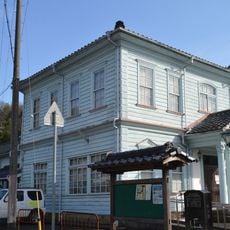
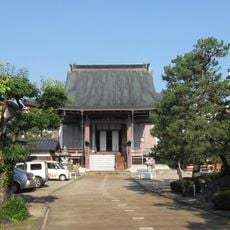
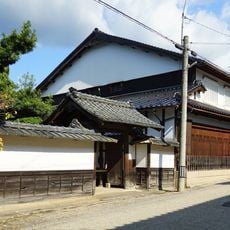
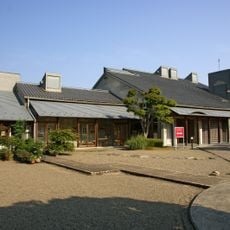
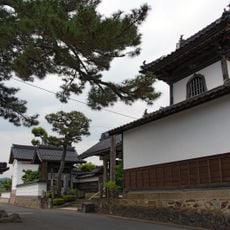
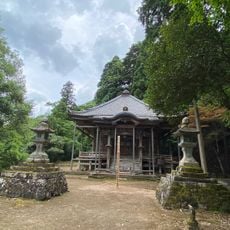
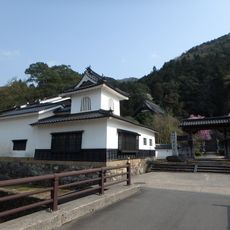
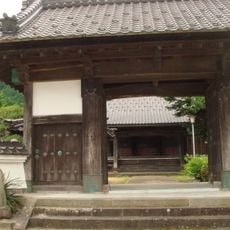
Eirakukan, Traditional kabuki theatre in Izushi, Japan
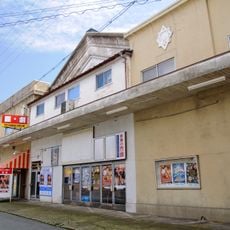
Eirakukan is a kabuki theatre in the historic district of Izushi, in Toyooka, and its stage can rotate using mechanisms housed below the floor. Wooden name plaques of past kabuki performers line the theatre walls, forming a lasting record of every artist who has appeared here.
Built in 1901 by Kobata Kyūjirō, eleventh head of a family of dyers in the castle town of Izushi, the theatre took its name from the Eiraku coin on the crest of the Sengoku lords of Izushi Castle. Kabuki, sword plays, shinpa drama and political speeches filled it before films took over; a projection room was added in 1930. It closed as a theatre in 1964, was restored to its original form between 2006 and 2008, and was designated a Hyōgo Prefecture tangible cultural property in 2014.
The name Eirakukan comes from the eiraku-sen coin in the family crest of the Sengoku clan, lords of Izushi Castle. From the Meiji era into the Taisho era the stage hosted kabuki as well as sword plays, shinpa drama, rakugo and political speeches; after the First World War films took over, and a projection room was added in 1930.
Visitors can explore the stage, the backstage areas, and the underground space where the rotating mechanism sits, which gives a good sense of how the building works. Looking at the theatre from different seating levels helps to understand how the space was shaped for both performers and the people watching them.
The theatre has a hanamichi, a narrow raised walkway that runs from the back wall of the building through the seating area all the way to the main stage. Performers use this path to enter and exit right among the audience, which makes the boundary between stage and seating almost disappear.
The community of curious travelers
AroundUs brings together thousands of curated places, local tips, and hidden gems, enriched daily by 94,119 contributors worldwide.