Toba Sea-Folk Museum, Maritime and folk museum in Toba, Japan
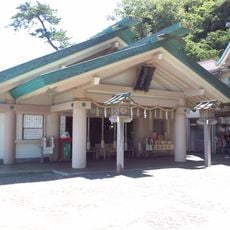
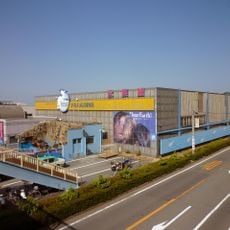
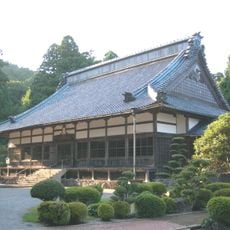
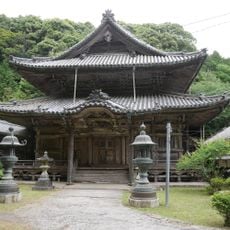
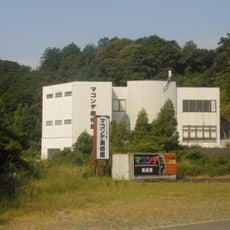
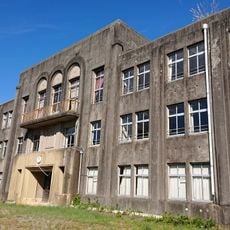
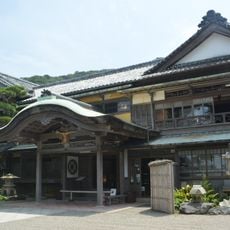
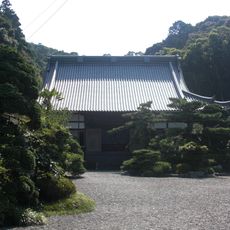
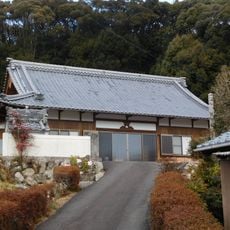
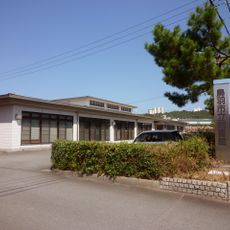
The Toba Sea-Folk Museum (Toba Shiritsu Umi no Hakubutsukan) is a municipal maritime and folk museum in Uramura-chō, Toba, Mie Prefecture. Its buildings, designed by Hiroshi Naitō, have tiled roofs and no metal cladding, echoing the local fishing villages. Three concrete storage buildings hold the collection, and one boat store is open to visitors, who change into slippers at the entrance.
The museum was founded in 1971 as a private institution, with the goal of recording the maritime folk traditions of the Ise Bay region. In 2017 it passed to municipal management under the city of Toba, which brought more resources for caring for and presenting the collections.
The museum holds Japan's most extensive collection on the Ama, the women divers of Shima who free-dive without breathing equipment. Displays cover their diving gear and work, alongside sections on sea-folk faith and festivals, fishing in Ise Bay, and fishing in Shima and Kumano. The collection also documents sea pollution.
The exhibition is divided into seven themed sections, which makes it easy to follow, but a visit does take time. It is best to set aside at least a couple of hours to move through the different areas without rushing.
Around 7,000 objects in the collection carry the status of Important Tangible Folk Cultural Property at the national level, which is a rare designation in Japan. They document fishing methods and tools developed specifically for the waters around the Shima Peninsula and the Kumano Sea.
The community of curious travelers
AroundUs brings together thousands of curated places, local tips, and hidden gems, enriched daily by 93,511 contributors worldwide.