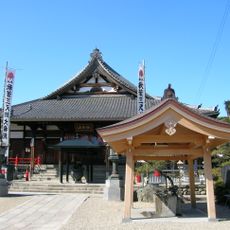
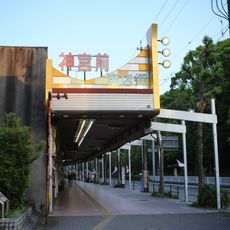
Hōji-ji, Buddhist temple in Atsuta-ku, Japan.
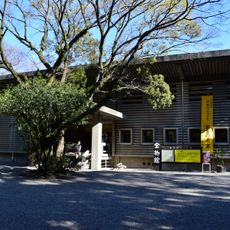
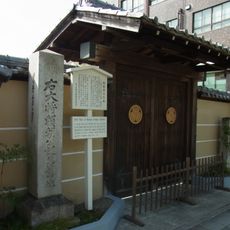
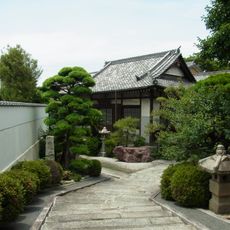
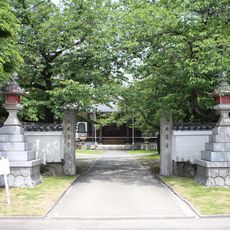
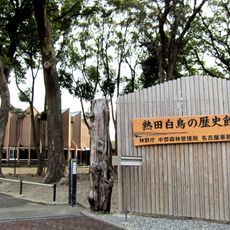
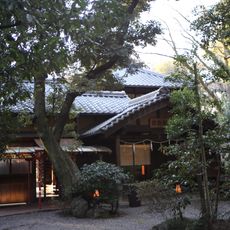
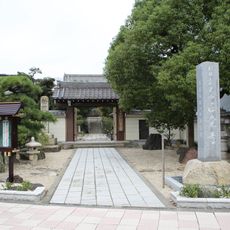
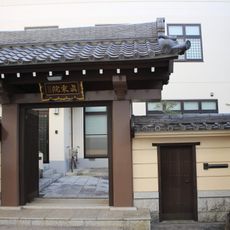
Hōji-ji is a Sōtō Zen temple in Atsuta-ku, Nagoya, with the mountain name Shirotori-zan. Its grounds stand beside the Shirotori Kofun, and the temple was moved here in 1955 under the war-damage reconstruction plan. A gate stone burned by an incendiary bomb in the June 9, 1945 Atsuta air raid is kept at the temple gate.
According to tradition, the temple began in the Tenchō era when Kūkai, staying at Atsuta Shrine, carved a Jizō statue and built a small shrine. First called Hōji-ji as guardian of the Shirotori tomb treasures, it was revived as a Sōtō Zen temple by Myokoku Gikō in 1449 or during the Bunmei era, and renamed Hōji-ji in the Shōō era (1652–1654). Oda Nobunaga is said to have stopped here to pray for victory before the Battle of Okehazama.
The temple's name changed from Hōji-ji to its current form in the Shōō era (1652–1654). It was a family temple of the Chika clan, the head priests of Atsuta Shrine. The haiku poet Matsuo Bashō visited and composed a three-poet renga sequence here with Hayashi Tōyō and Wakabara Kōtan, as recorded in his travel diary Oku no Hosomichi.
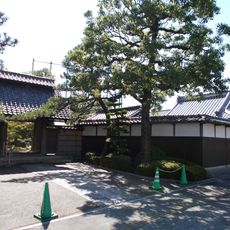
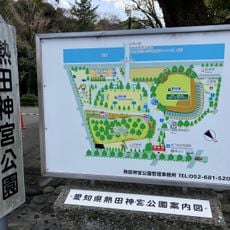
The temple is situated near Atsuta Shrine and Shirotori Garden and provides parking facilities on-site for visitors. The location makes it convenient to explore multiple religious sites in the Nagoya area in a single visit.
The temple grounds hold an unusual stone statue that resembles a sumo wrestler among its collection of Buddhist figures and monuments. This unexpected figure reflects the rich and sometimes surprising diversity found in the temple's art collection.
The community of curious travelers
AroundUs brings together thousands of curated places, local tips, and hidden gems, enriched daily by 93,467 contributors worldwide.