高蔵遺跡, Archaeological site in Nagoya, Japan
The Takakura site is a complex in Atsuta Ward, Nagoya, spanning the Palaeolithic to the medieval period, with a shell mound, a Yayoi moated settlement and the Kofun-period Takakura burial mounds. Its core measures about 580 m east-west and 770 m north-south on the Atsuta plateau, but it is now mostly a children's park and housing.
The site spans the Palaeolithic to the Middle Ages, with a Yayoi-period moated settlement and square ditch tombs. In 1908 instructor Tokuzaburō Kagiya excavated pottery and shell layers over about 80 days. By 2007 roughly 70 digs had uncovered Kofun to Kamakura remains; six keyhole-shaped? no, six round tombs once surrounded Takakura Shrine.
The pottery and tools reveal how daily life was organized in different time periods. Through these objects, you can see what activities and crafts mattered most to the people who lived here.
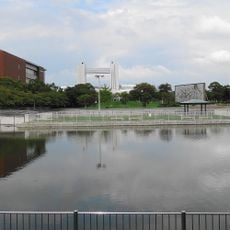
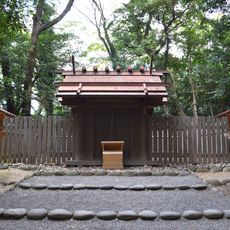
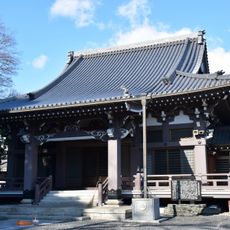
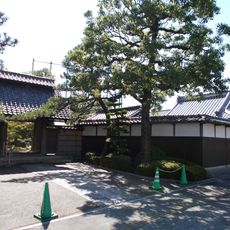
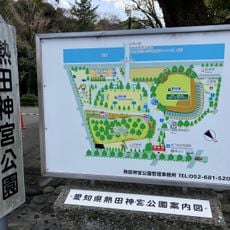
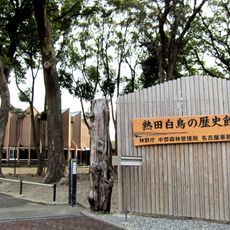
The site lies on the Atsuta plateau east edge, centred on Takakura-chō, roughly 580 m east-west by 770 m north-south, now mostly a children's park and housing. No excavation area or exhibition hall is open to visitors; finds such as the two Important Cultural Properties are kept at the Tokyo National Museum. Remains survive as low mounds: the presumed Takakura No. 3 kofun beside an Inari shrine, and a slight rise by Takakura Nursery School.
Specialized pottery molds found here suggest that residents operated workshops on the site. These discoveries indicate that inhabitants traded their goods with communities in other regions.
The community of curious travelers
AroundUs brings together thousands of curated places, local tips, and hidden gems, enriched daily by 94,663 contributors worldwide.