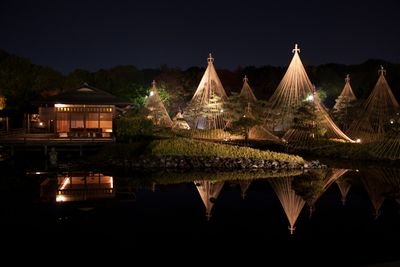
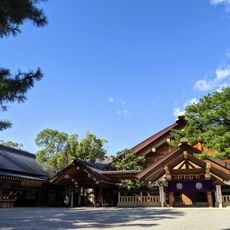
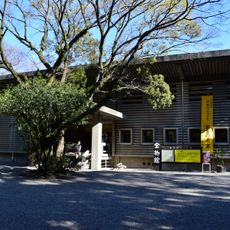
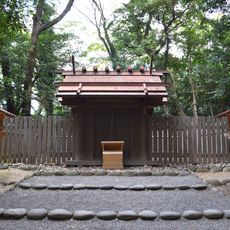
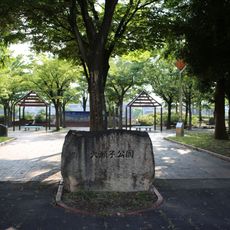
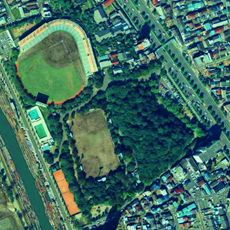
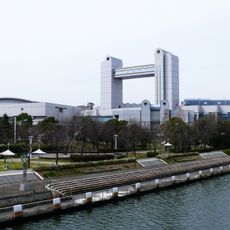
Shirotori Garden, Japanese strolling garden in Atsuta-nishimachi, Nagoya, Japan.
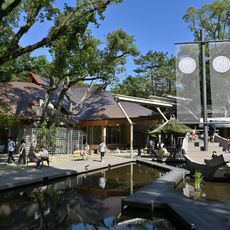
Shirotori Garden is a Japanese strolling garden in Nagoya featuring multiple landscapes within its large grounds. The design connects various water features, planted areas, and walking paths that guide visitors through different natural scenes and compositions.
Shirotori Garden occupies land reclaimed from the Shirotori lumber pond and was developed from 1983 to 1991. It opened first as a neighbourhood park, then was built up as the Japanese Garden pavilion of the 1989 World Design Exposition. After the exposition closed, work continued to make it a paid garden, completed and opened in 1991.
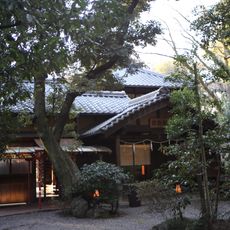
The garden borrows its name from the former Shirotori lumber pond on whose reclaimed land it stands. Its tea houses carry the names Seiu-tei and Shioiri-tei; at Shioiri-tei visitors can order matcha while looking over the pond. A suikinkutsu, a buried water zither, plays three distinct tones, an arrangement the sources call rare nationwide.
The garden is accessible on foot and provides seating areas along the paths for resting. Visitors should wear sturdy shoes since some routes cross uneven surfaces and terrain changes throughout the site.
The garden's layout maps central Japan: the southern mound represents Mount Ontake, streams running from it stand for the Kiso River, and the ponds are read as Ise Bay. It also holds a suikinkutsu, a buried water zither that plays three distinct tones, an arrangement the sources call rare nationwide.
The community of curious travelers
AroundUs brings together thousands of curated places, local tips, and hidden gems, enriched daily by 93,438 contributors worldwide.