Hakken-gū, Shinto shrine in Japan
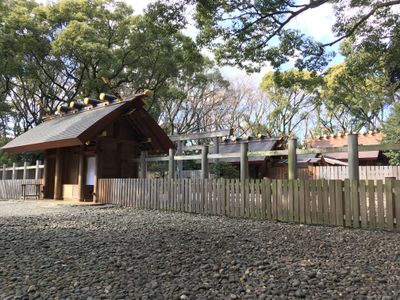
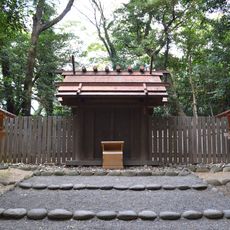
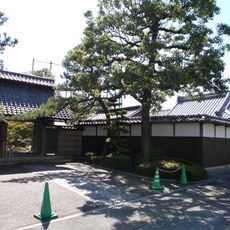
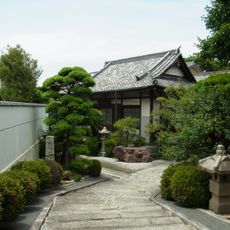
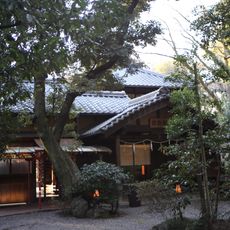
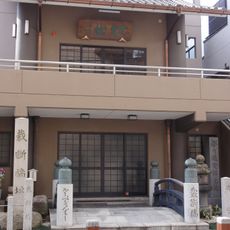
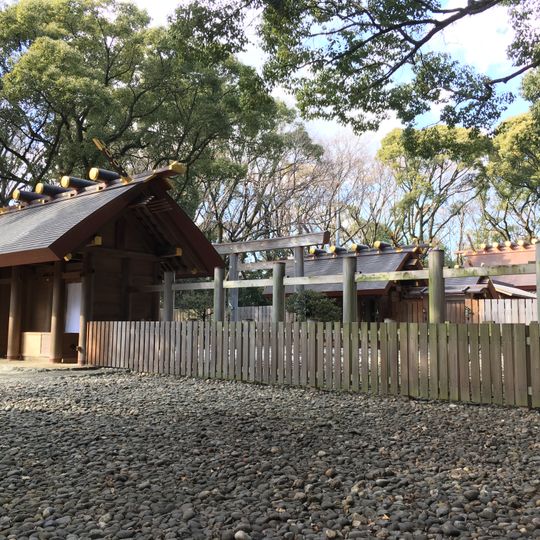
Hakken-gū is a small Shinto shrine in Nagoya built in the shinmei-zukuri style, characterized by simple geometric shapes, natural wood structures, and a plain gabled roof without decorative curves. The main hall sits on a raised platform with a straightforward rectangular design, featuring vertical logs called chigi at the roof ridge and horizontal katsuogi beams as traditional finishing touches.
Established in 708, this shrine serves as an auxiliary sanctuary to the larger Atsuta Shrine, which houses the legendary sword Kusanagi no Tsurugi, one of Japan's three sacred imperial treasures. In the 16th and 17th centuries, powerful warlords including Oda Nobunaga and Tokugawa Ieyasu contributed to its preservation through repairs and structural improvements.
The shrine honors six deities including the Sun goddess Amaterasu and storm god Susanoo, with visitors following quiet rituals of bowing and offering prayers for health and protection. These respectful practices reflect the community's deep connection to ancient spiritual beliefs and continue to shape how people use the space today.
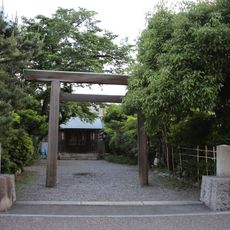
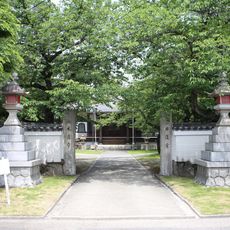
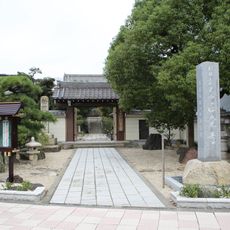
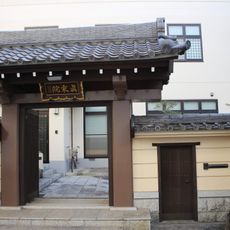
Enter through the simple wooden torii gate and follow the walkway to the main hall, wearing comfortable shoes and light clothing suited to outdoor exploration. The shrine is best experienced during quieter periods rather than festival days when crowds and temporary vendor activities temporarily change the setting.
Following an ancient practice called Shikinen sengū-sai, the shrine undergoes regular ritual rebuilding every 20 years, meaning it appears new while faithfully maintaining original construction techniques and materials from centuries past. This rare practice of ceremonial reconstruction preserves both the physical form and spiritual continuity of the place in a way few other sacred sites have managed.
The community of curious travelers
AroundUs brings together thousands of curated places, local tips, and hidden gems, enriched daily by 91,350 contributors worldwide.