Hōkai-in, Buddhist temple in Kita-ku, Japan
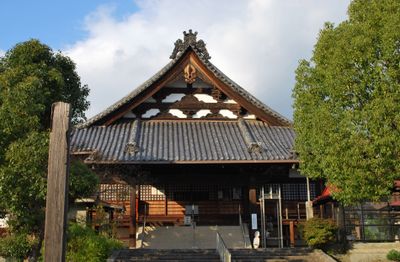
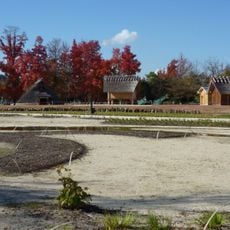
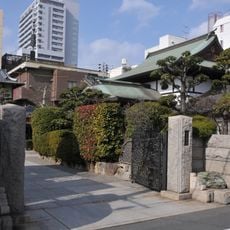
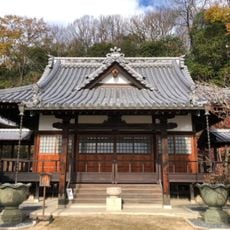
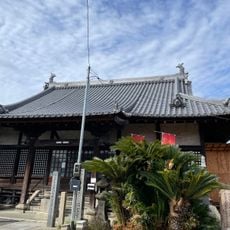
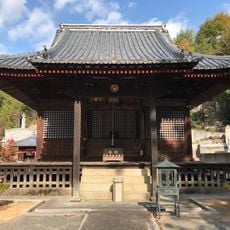
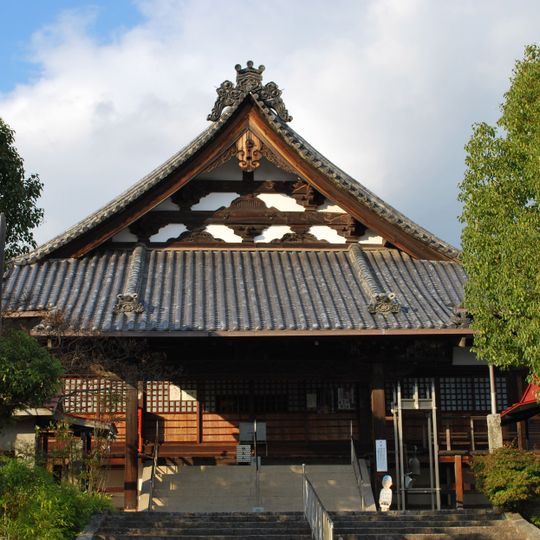
Hōkai-in is a Buddhist temple in Kita-ku, Japan, made up of traditional wooden buildings arranged around a central courtyard, with an entrance gate and a bell tower. The grounds are compact and easy to walk around, with stone paths connecting the main hall and the smaller secondary structures.
The temple was founded around 729, during a period when Buddhism was rapidly spreading across Japan with imperial support. Centuries later, during the conflicts of the 16th century, it was damaged and eventually moved to its present site in 1581.
Hōkai-in is one of the stops on the Chugoku Kannon pilgrimage route, and visitors sometimes encounter pilgrims in white robes pausing here to pray. The temple belongs to the Shingon school of Buddhism, which places great importance on ritual and devotion to specific sacred figures.
The temple is accessible by bus from JR Okayama Station, and parking is available on-site for those arriving by car. The grounds are small enough to visit without much time, so combining it with other nearby stops is easy.
The temple holds a Kannon statue carved from a single cypress trunk, dating from the mid-Heian period and classified as a National Important Cultural Property in Japan. What makes this notable is how rare it is to find wooden figures of this age still in active religious use at a local temple.
The community of curious travelers
AroundUs brings together thousands of curated places, local tips, and hidden gems, enriched daily by 92,134 contributors worldwide.