Shōda temple ruins, Buddhist temple ruins in Naka-ku, Okayama, Japan.
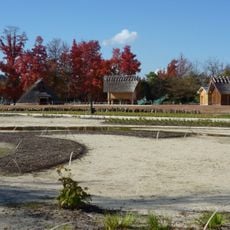
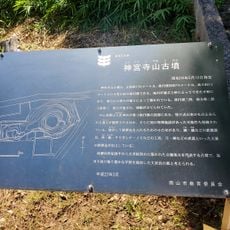
Shōda temple ruins are the remains of a Buddhist temple in Naka-ku, Okayama, at the southern foot of Mount Tatsunokuchi. Excavations found a roughly one-chō square layout with foundations of a Kondō, east and west pagodas, a cloister and a tile kiln. The Kondō platform measures 15.5 by 12.6 meters, and the pagoda bases were restored after digging.
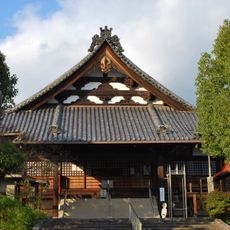
A small hall was built on the site in the first half of the 7th century, and a full temple was laid out in the Asuka period; it peaked in the Nara period and declined until the 13th century. The 1970 excavation found a compound about one chō square with the Kondō, pagoda, west gate and cloister, and 2001 work showed the west gate was actually a west pagoda. The Kondō burned down in the 14th century, and a Buddhist hall stood here in the Muromachi period.
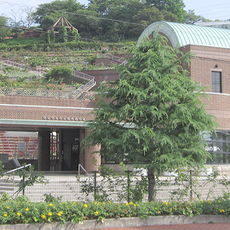
The temple's name is lost; no records survive, and it is attributed to the Kamimichi clan of ancient Kibi. Roof tiles found in the fields around the site revealed its existence long before excavation, and a kiln northeast of the temple fired them. The grounds are now maintained as an archaeological park.
The site is accessible from the city center and makes for a manageable day visit. Since it is an open-air location, plan accordingly for weather, especially during rainy or hot seasons.
The pagoda's base used a tuff stone platform with a stepped profile, a technique common at major temples in the Kinai region but extremely rare at local temples. Together with Nara Sancai ceramics found on site, it points to close ties between the Kamimichi clan and the Yamato court.
The community of curious travelers
AroundUs brings together thousands of curated places, local tips, and hidden gems, enriched daily by 94,261 contributors worldwide.