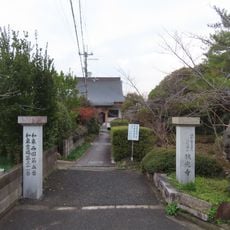
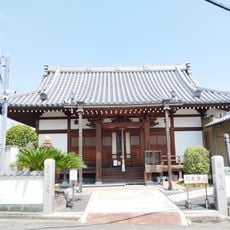
Hōdōji, Buddhist temple in Sakai, Japan.
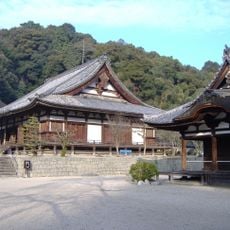
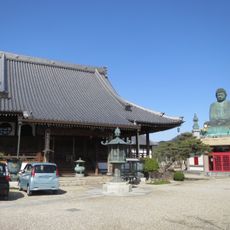
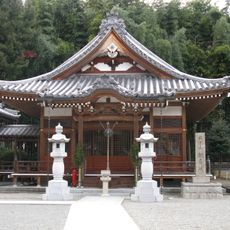
Hōdōji is a Shingon Buddhist temple of the Kōyasan branch in the Minami ward of Sakai, on the slope of Mount Hachigamine. Its main hall, a tahōtō built in 1368 with a rare arrangement of frog-leg struts over a curved base, and a refectory (jikidō) from the late Kamakura period are both Important Cultural Properties. The refectory is one of only two surviving in Osaka Prefecture.
According to temple tradition, the monk Hōdō (Kūhatsu) founded the temple in 670, during the Hakuhō era, and the mountain name Hatchimine derives from his placing a bowl (hatsu) on this site. Originally called Chōfukuji, it was renamed Hōdōji in the Edo period to avoid using the characters of Chōfukumaru, the childhood name of Tokugawa Ieshige, son of shogun Yoshimune. In the early Heian period Kūkai, Saichō and Ennin are said to have practiced here.
The temple is also called Hachigamine-ji, and its mountain name, Hatchō-zan, comes from the legend that the founder Hōdō left his bowl (hatsu) on this site. The temple is stop 29 on the Izumi 88 Sacred Sites pilgrimage and stop 23 on the Kasen 24 Jizō pilgrimage. Two wooden Kongō Rikishi statues, made in 1283, are Sakai City Cultural Properties; a paper scroll of the Zōagon-gyō sutra is kept at the Sakai City Museum.
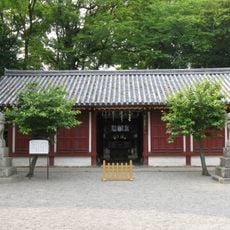
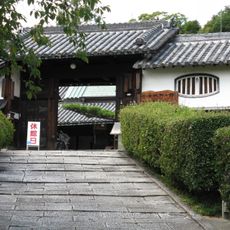
Hōdōji stands at 401 Hachigamine-ji, Minami-ku, Sakai, Osaka. The temple is reached by Nankai Bus from Izumigaoka Station on the Semboku Rapid Railway, getting off at the Hachigamine stop. The grounds hold the kondō, the tahōtō, the jikidō, the daishidō, a south gate, a rōmon and the kuri.
The temple is also known as Hachigamine-ji, a name tied to the mountain title Hachigamine-san and to the legend that its founder Hōdō deposited his begging bowl here. The precinct retains a Chinese juniper designated as a preserved tree by the city of Sakai.
The community of curious travelers
AroundUs brings together thousands of curated places, local tips, and hidden gems, enriched daily by 93,616 contributors worldwide.