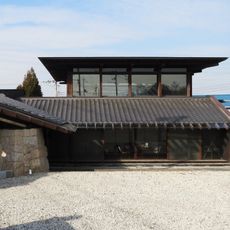
Kannon'in, Buddhist temple in Sakai, Japan.
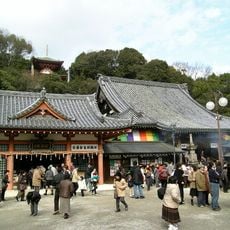
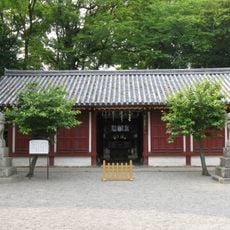
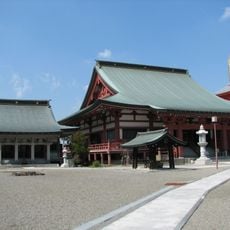
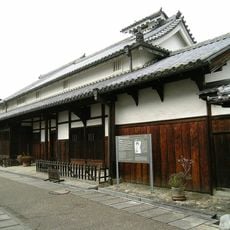
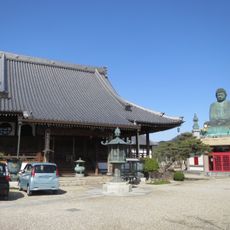
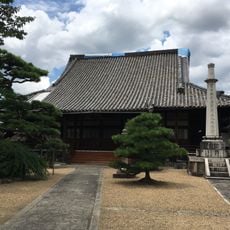
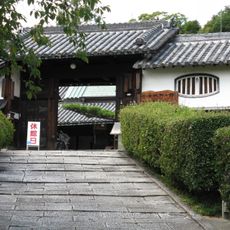
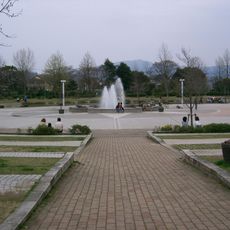
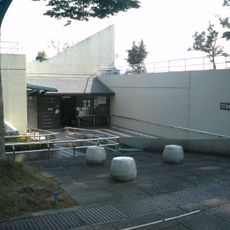
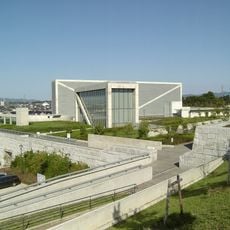
Kannon'in is a Buddhist temple in Sakai with multiple structures arranged in traditional Japanese architectural style. The grounds include a main prayer hall, facilities for cremated remains storage, and burial areas.
Founded by Gyōki during the Tenpyō era (729–749) as Amida-ji, also called Ganshitsuzan Gokuraku-ji, with Amida Nyorai as its main image. Kūkai is said to have stayed here, carved an Eleven-Faced Kannon and renamed the temple Iwashimizu Kannon'in. Repeated wars destroyed the original large complex, but the two images survived each time; the third main hall was built in 1650 (Keian 3).
The temple's name comes from the eleven-faced Kannon statue carved by Kūkai, kept hidden and shown only on 10 August for the Sen'nichi-e rite. Monthly observances on the 18th, a February Hatsu-uma festival and a 8 April flower festival for the Buddha's birth mark the year.
The temple stands in Minami-ku, Sakai, Osaka Prefecture, and belongs to the Koyasan Shingon school. Its grounds hold the main hall rebuilt in 1650, the third on the site. Visitors should note that the hibutsu Eleven-Faced Kannon statue is shown only on 10 August, during the Sen'nichi-e rite.
The temple's main image, an eleven-faced Kannon statue from the Heian period, is a hidden Buddha kept from public view and shown only on 10 August, during the Sen'nichi-e rite. The Amida Buddha seated image, from the late Heian period, is also a prefectural cultural property.
The community of curious travelers
AroundUs brings together thousands of curated places, local tips, and hidden gems, enriched daily by 94,445 contributors worldwide.