Hajikami-jinja, Shinto shrine in Japan
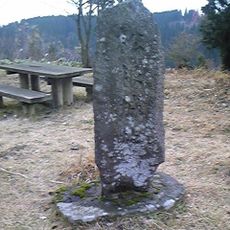
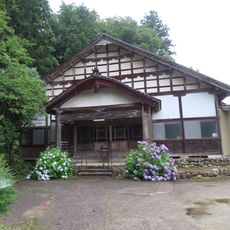
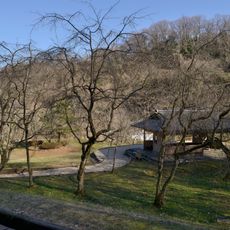
Hajikami-jinja is a Shinto shrine in the Futsukaichi district of northern Kanazawa, founded in 718. Its approach is a slope through dense woodland, with a torii at the foot beside an irrigation channel and a monument to the channel's builder. The worship hall stands on a small rise. Within the grounds are the Shōichii Hachimanyama Inari shrine and the Jinbeidō subsidiary hall, which honours Takeuchi no Sukune.
Founded in 718, the shrine is listed as a provincial shrine in the Engishiki. In 1183, during the Genpei War, its buildings burned and the deity was moved to Tajika Hachimangu; later the shrine was renamed because Hajikami held a higher rank than Hachiman. It became a village shrine in 1925.
The name Hajikami comes from an old word for spicy things bitten with the teeth, such as ginger, wasabi and sansho pepper. Each year on 15 June the shrine holds a ginger festival, described as without parallel elsewhere in Japan; in the Edo period cooks from Kaga, Etchu and Noto are said to have come to pay their respects. Ginger's medicinal reputation also drew pharmacists here.
The shrine is reached from Hachiman bus stop, a three-minute walk; buses run from Morimoto Station on the number 87 route toward Hon-Tsubata via Hachiman. A separate worship hall is served by the number 87 via Futsukaichi, where the bus can also stop in front of the main gate, though departures are few.
The shrine is nationally unique as the only one in Japan dedicated to the god of spices, and collectors seek its seasonal Goshuin stamps that change throughout the year. This connection to ginger and related condiments stretches back more than a millennium and remains a rare feature in Japan's shrine landscape.
The community of curious travelers
AroundUs brings together thousands of curated places, local tips, and hidden gems, enriched daily by 94,369 contributors worldwide.