Kumano-jinja, Shinto shrine in Japan
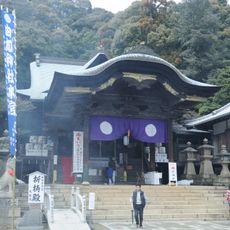
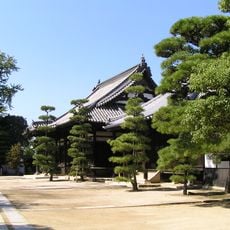
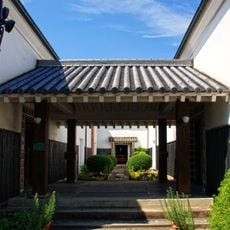
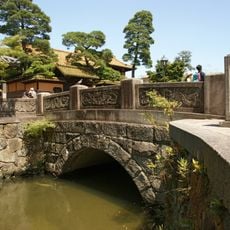
Kumano-jinja is a small Shinto shrine in Hayashi, a district of Kurashiki, built with traditional wooden construction and simple layout. The setting is peaceful, nestled among trees, with a narrow path leading to the shrine gate where paper lanterns hang and wind moves through the foliage.
According to shrine tradition, five disciples of En no Gyōja carried the Kumano Hongū deity here and, after his pardon in 701, transferred it to this site. In 740 Emperor Shōmu donated the whole of Kojima as shrine land, and in 761 a twelve-shrine Gongen hall was built. The second hall dates from 1492; the others were built by Ikeda Mitsumasa in 1647.
The shrine calls itself "Nihon Daiichi Kumano Jūnisha Gongen-gū" and enshrines Izanami, Izanagi, Ketsumiko and Hayatamao. Its six halls stand in the order third, first, second, fourth, fifth, sixth, following Kumano Hongū Taisha. In 761 halls like those of Kishū Kumano were built and a new Kumano Sanzan formed with Shin-gū at Kimi and Nachi-gū at Yamamura, now Yuga Jinja Hongū.
The shrine is a 20-minute walk southwest of JR Uematsu Station on the Seto-Ohashi Line, or 25 minutes north of Kimi Station; the Kumanō-jinja Iriguchi (Hayashi) bus stop on the Shimoden bus line is 7 minutes southeast on foot. By car, take the Seto-Chūō Expressway to the Mizushima IC and continue about 5 minutes east. The grounds are on a hillside, so expect uneven paths and steps.
The shrine calls itself "Nihon Daiichi Kumano Jūnisha Gongen-gū". Its six halls stand in the order third, first, second, fourth, fifth, sixth from the left, a layout modelled on Kumano Hongū Taisha. The second hall, built in 1492, is a National Important Cultural Property; the others date from 1647 and were built by Ikeda Mitsumasa.
The community of curious travelers
AroundUs brings together thousands of curated places, local tips, and hidden gems, enriched daily by 93,597 contributors worldwide.