Kurashiki Museum of Folkcraft, Folk art museum in Kurashiki Bikan Historical Quarter, Japan
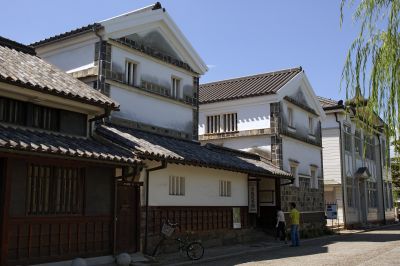
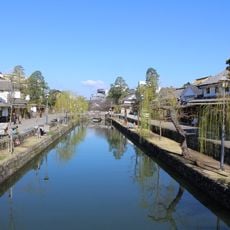
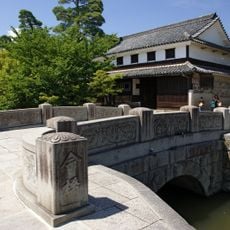
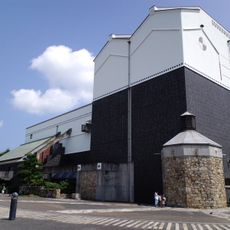
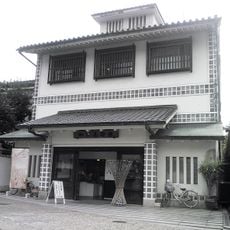
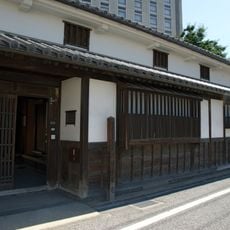
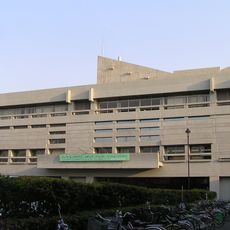
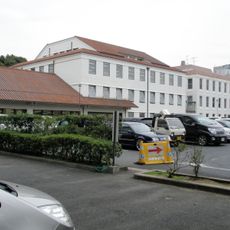
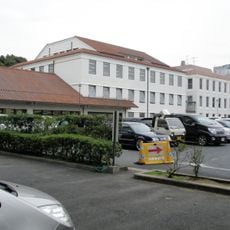
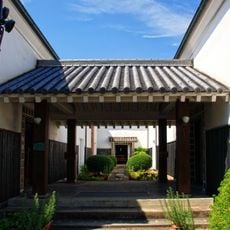
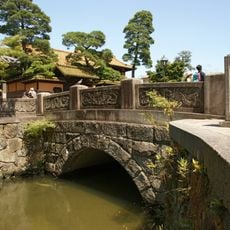
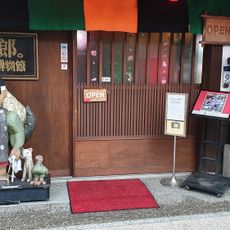
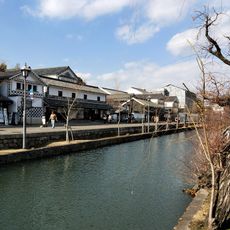
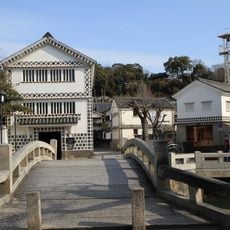
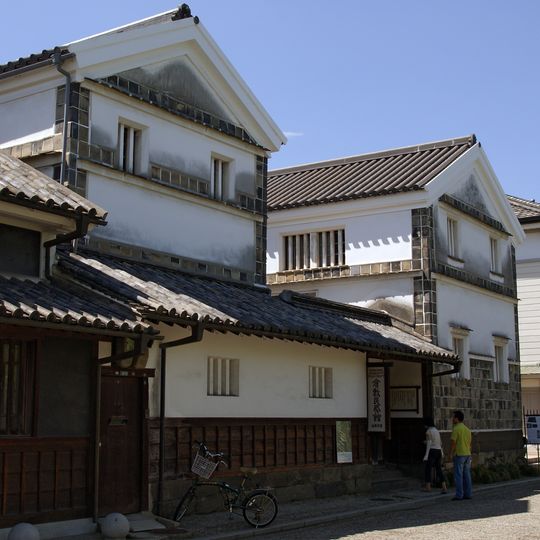
The Kurashiki Museum of Folkcraft occupies a renovated rice warehouse with white walls and a Japanese tiled roof along the banks of the Kurashiki River. The collection comprises approximately 15,000 pieces of ceramics, textiles, and woodwork that represent objects people used in their daily lives across different periods.
The museum was established in 1948 by Kichinosuke Tonomura as Japan's second folk art institution, following the Mingei movement principles developed by Muneyoshi Yanagi. This represented a significant effort to recognize and preserve the craftsmanship and beauty of everyday handmade objects.
The name reflects the Mingei philosophy, which celebrates beauty found in everyday handcrafted objects rather than precious or rare pieces. Visitors can see how ordinary people once furnished their homes, prepared food, and dressed through the functional items displayed throughout the galleries.
The museum sits within the Bikan Historical Quarter and is most easily reached on foot from the nearby train station or riverfront area. It typically closes on Mondays, though access is available during public holidays when other attractions in the area may have special hours.
The attached museum shop stocks over 700 items across a doubled sales floor space, featuring regional bamboo crafts and traditional baskets. Many of these pieces come from contemporary artisans who continue practicing the same techniques shown in the galleries.
The community of curious travelers
AroundUs brings together thousands of curated places, local tips, and hidden gems, enriched daily by 92,420 contributors worldwide.