Makiochi-hachimangū, Shinto shrine in Japan
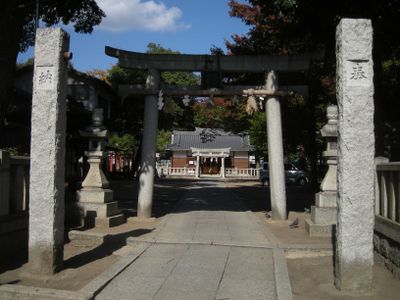
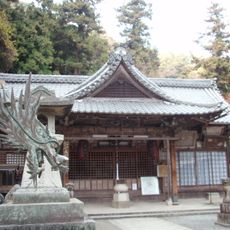
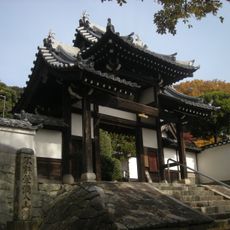
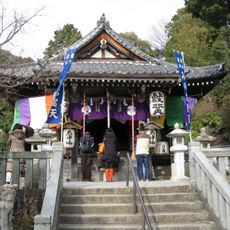
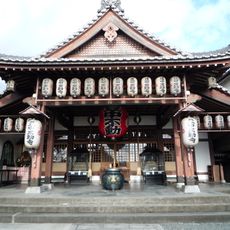
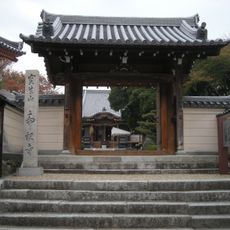
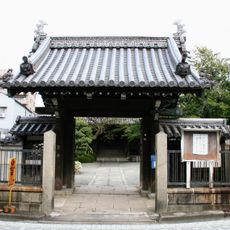
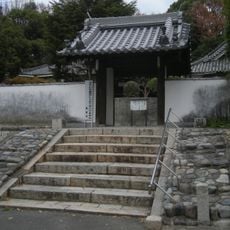
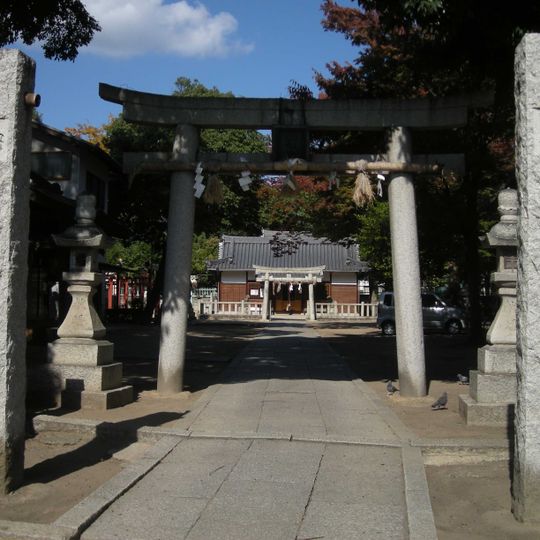
Makiochi-hachimangū is a Shinto shrine in the Makiochi district of Minō, Osaka Prefecture, also known as Wakamiya Hachimangū and registered as Hachiman Daijingū. It enshrines Ōjin Tennō (Hachiman). Within the grounds stand a Takeuchi no Sukune shrine, an Inari shrine, a Kuebiko-no-Mikoto shrine holding a divided spirit from Kuebiko Shrine of Yamato Ōmiwa Shrine, and a site for worshipping Jimmu Tennō from afar.
The shrine was founded on 22 October 1662, when a divided spirit of Iwashimizu Hachimangū was invited here. The hall was rebuilt in August 1700, the grounds enlarged in November 1859, and the worship hall rebuilt in 1927 and again in 1994. In 1872 it was ranked as a village shrine, and in October 1912 designated to receive offerings of sacred food and cloth.
This shrine is woven into the local community's daily routine, where residents come to offer prayers and gratitude. You may observe elders making their wishes or families receiving charms for children during celebrations.
Makiochi-hachimangū is about a six-minute walk east from Hankyū Minoo Line Makiochi Station. The grounds hold the main hall plus subsidiary shrines to Takenouchi no Sukune, Inari and Kuebiko, and a distant-worship site for Emperor Jimmu. The shrine stands in the Makiochi district of Minō, Osaka Prefecture.
Visitors often leave small wooden plaques with handwritten wishes tied to the shrine, along with coin offerings as symbols of personal hopes. This tradition connects past and present pilgrims through their silent prayers and creates a tangible record of individual intentions.
The community of curious travelers
AroundUs brings together thousands of curated places, local tips, and hidden gems, enriched daily by 94,018 contributors worldwide.