Tabata-jinja, Shinto shrine in Japan
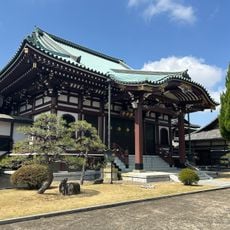
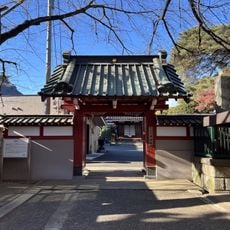
Tabata-jinja is a small Shinto shrine in a quiet residential area of Suginami-ku with a simple red torii gate at the entrance and wooden buildings surrounded by trees and small stone lanterns. The main hall features red and gold accents, hanging ropes, and white zigzag paper strips used in rituals.
The shrine began in the Ōei era (1394–1427) when a retainer named Ryōkage, serving Shinagawa Sakyō, settled here and enshrined a divided spirit of Kyoto's Kitano Shrine. In 1909 it merged four village shrines—Tenso-sha, Inari-sha, Kono-gongen-sha and Yama-sha—bringing the number of enshrined deities to five. It was renamed Tabata-jinja in 1911.
The shrine bears the name of the local protective spirit honored by residents for many generations. You see neighborhood life unfold here daily: people leave small offerings, hang written wooden tablets, or wash their hands at the water basin before praying as part of traditional practice.
Take the Kanto Bus Ogikubo 51 line from Ogikubo Station, served by the Chuo Line rapid and Tokyo Metro Marunouchi Line, toward Shalere Ogikubo. Get off at Nishitabata-bashi or the Shalere Ogikubo entrance, then walk about five minutes. Admission is free.
The shrine owns a set of wooden hammers (kizuchi) registered by Suginami Ward as tangible folk cultural property, kept together with a coloured board painting of a strength-stone lifting. The deity Okuninushi is credited here with healing leg and lower-back pain, which explains the hammers. Nearby stand two koshin towers dated 1677 and 1718, moved into the grounds during housing development.
The community of curious travelers
AroundUs brings together thousands of curated places, local tips, and hidden gems, enriched daily by 94,796 contributors worldwide.