Tano Site, Archaeological site and museum in Amagasaki, Japan.
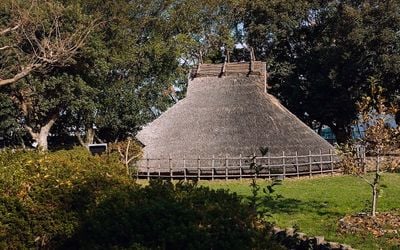
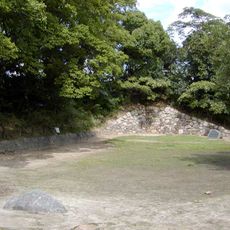
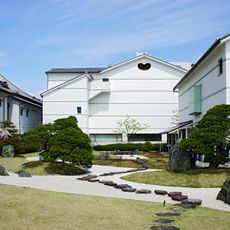
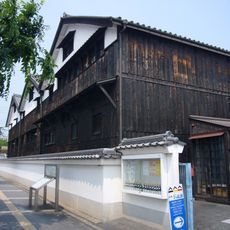
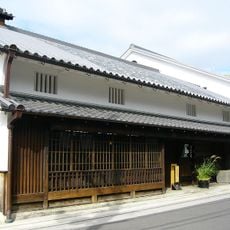
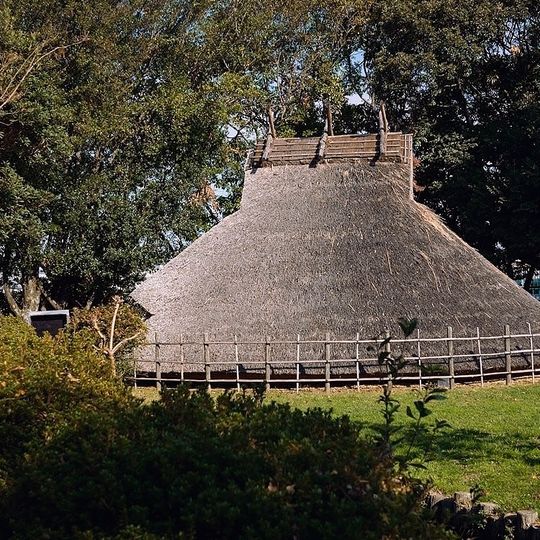
Tano Site is an archaeological complex in Amagasaki featuring remains of pit dwellings, storage structures, and burial areas from the Yayoi period. The attached museum displays the excavated objects and reconstructions showing how the buildings and settlements once looked.
The site was discovered in 1965 during construction of a water station and dates to the middle Yayoi period. Excavations revealed that this location served as both a settlement and burial ground across several generations.
The site reveals how people lived during the Yayoi period and cared for their dead through specific burial practices. The scattered remnants of daily tools and storage areas show what mattered most in their communities.
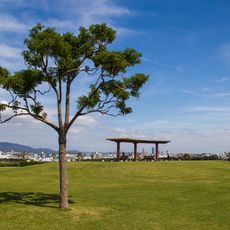
The location sits near the old river channel and connects well with the museum, which helps explain the ruins and reconstructed structures on the ground. The museum map provides the clearest orientation for understanding where individual houses and burial areas once stood.
Wooden coffins with human remains gave researchers direct evidence of Yayoi burial customs for the first time. This discovery was especially valuable to science because organic materials rarely survive in such good condition.
The community of curious travelers
AroundUs brings together thousands of curated places, local tips, and hidden gems, enriched daily by 91,694 contributors worldwide.