Kai Kokubun-ji, Rinzai Zen temple in Fuefuki, Yamanashi, Japan
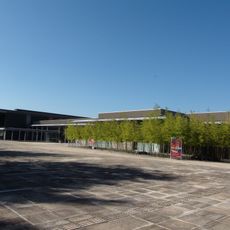
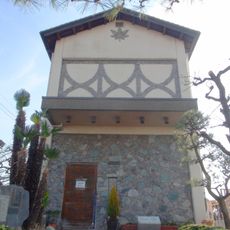
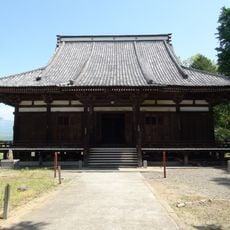
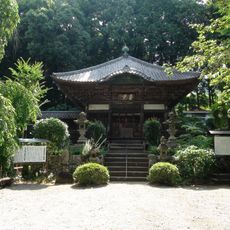
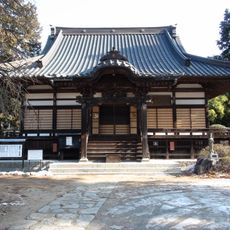
Kai Kokubun-ji is a Rinzai Zen temple of the Myōshin-ji branch in Fuefuki, Yamanashi, with its main hall, Yakushi-dō, rōmon, plaque, waniguchi, roof bracket and woodblock for amulets designated Fuefuki City Tangible Cultural Properties. Its predecessor, the Nara-period provincial temple, stood on an adjacent site measuring 250 by 300 meters, enclosed by an earthen rampart and moat, with a layout modeled on Daian-ji and a pagoda base 16.9 meters square.
Kai Kokubun-ji was founded after Emperor Shōmu's 741 edict, issued as the country recovered from a smallpox epidemic, ordering a monastery and nunnery in every province. The Otomo clan, then Kai Kuni no miyatsuko, are thought to have taken part in building it. It first appears in records only in 938; a fire destroyed it in 1225, and after a smaller rebuilding it was abandoned in the Muromachi period. Takeda Shingen later restored it 300 meters southwest of the original site.
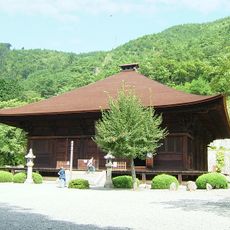
The temple's honzon is a hibutsu statue of Yakushi Nyōrai, kept hidden from public view. The Main Hall, Yakushi-dō, Rōmon, temple plaque, waniguchi, roof bracket and a woodblock for printing amulets are designated Tangible Cultural Properties of Fuefuki City. The site is also linked to the Otomo clan, who were the Kai Kuni no miyatsuko when construction began.
The modern temple stands at 196-1 Ichinomiya-chō Kokubu, about 300 meters southwest of the Nara-period ruins; the nunnery site lies roughly 490 meters north of the main temple ruins. From Isawa-Onsen Station on the JR Chūō Main Line it is about 5.9 km, some 16 minutes by taxi, or about 5 minutes by car from the Ichinomiya-Misaka interchange; a bus stops at Ichinomiya, a 16-minute walk away.
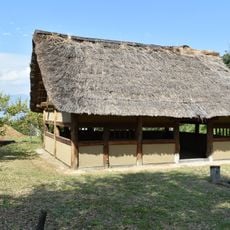
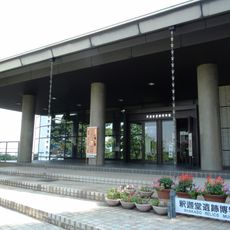
Excavations found only two foundation stones at the Kondō and 25 at the Lecture Hall, but 14 large stones remain from the pagoda, whose base measured 16.9 metres square. Tenpyō-period roof tiles from the site match tiles from kilns at Kamidoki in Kōfu and Kawada across the Fuefuki River, and similar early tiles at the Teramoto temple ruins suggest Baekje immigrants took part in building both temples.
The community of curious travelers
AroundUs brings together thousands of curated places, local tips, and hidden gems, enriched daily by 94,506 contributors worldwide.