Kai Chōshizuka Kofun, Keyhole-shaped burial mound in Shimosone, Kofu, Japan.
Kai Chōshizuka Kofun is a keyhole-shaped tumulus in Kōfu, Yamanashi, measuring 169 m long. Its circular rear mound is 92 m across and 15 m high, built in three tiers; the rectangular front mound is 69 m wide and 8.5 m high, in two tiers. It faces east and was once covered with fukiishi stones and surrounded by a 15–20 m moat.
Built in the late 4th century, the mound was opened in 1928 when a vertical stone chamber was found with five bronze mirrors, iron weapons and jasper ornaments. The mirrors share molds with finds in Okayama, Gunma and Fukuoka, pointing to ties with the Yamato court. It was designated a National Historic Site in 1930 together with the Maruyamazuka Kofun.
The name Chōshizuka comes from Edo-period travel accounts, which thought the mound's profile resembled a long-handled sake flask. Until the 20th century the summit held stone shrines and lanterns of an Ise pilgrimage confraternity, and the mound was called Isezuka; these were moved elsewhere during the site's development. The Yamanashi Prefectural Archaeological Museum, opened in 1982 beside the mound, keeps and displays finds from the tomb and other sites in the prefecture.
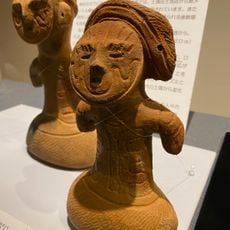
The mound sits within a park where visitors can freely explore the grounds. A nearby museum displays objects that were recovered during excavations.
The wooden objects were not found in the burial chamber but in a semicircular protrusion and a moat on the north and west sides of the rear circle, excavated in 2001–2004. They include a 50 cm wooden disc with three holes, a 4 m rod, and a fire-drilling board, interpreted as tools for funeral rites.
The community of curious travelers
AroundUs brings together thousands of curated places, local tips, and hidden gems, enriched daily by 94,933 contributors worldwide.