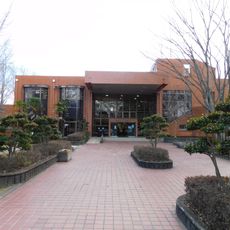
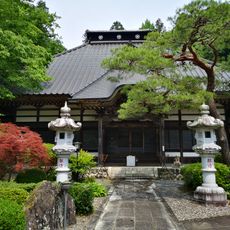
Mashiko Sankōkan Museum, Folk art museum in Mashiko, Japan
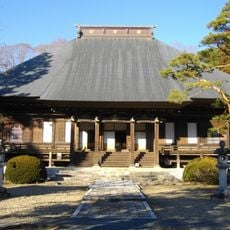
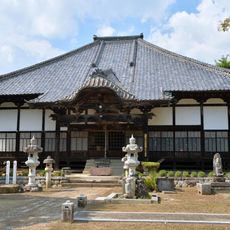
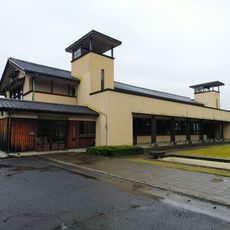
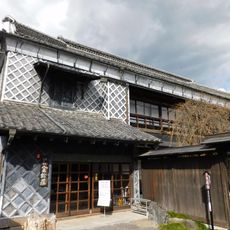
Mashiko Sankokan Museum consists of five buildings that Shōji Hamada moved to the site, including two storehouses of Ōya stone and the Uendai annex, a farmhouse he bought in 1942. Displays cover ceramics, lacquerware, woodwork, metalwork and textiles from Japan, China, Korea, Taiwan, Europe, the Middle East, Latin America and the Pacific. The Shōji Hamada Hall shows his large plates and sketches alongside works by Kawai Kanjirō and other associates.
Shōji Hamada moved to Mashiko in 1924 and from 1930 gradually bought and relocated nearby buildings to the site for his home and pottery. On 9 December 1974, his 80th birthday, he established the Mashiko Sankōkan foundation and donated the buildings and his collection. The museum opened on 10 April 1977 with Hamada as first director; his son Shinsaku took over in 1978, and Toyoo Hamada became third director in 2012.
The name Sankōkan means "reference hall": Hamada gathered folk crafts from Asia, Europe, Latin America and the Pacific so that unnamed makers' work could serve as reference for visitors and later potters. The Uendaidai annex, a farmhouse he moved here in 1942, holds his furniture, which visitors may sit in while drinking coffee or Mashiko herb tea.
The location is walkable once you are in Mashiko village and easy to find with basic directions from local signs. Plan to spend several hours moving through the five buildings and examining the collections at your own pace.
The large climbing kiln has eight chambers and was fired with salt glaze and red-enamel kilns beside it; it collapsed in the 2011 earthquake and was rebuilt, then fired again in 2015 with about 100 Mashiko potters and in 2018 with 87 potters from Mashiko and Kasama.
The community of curious travelers
AroundUs brings together thousands of curated places, local tips, and hidden gems, enriched daily by 93,798 contributors worldwide.