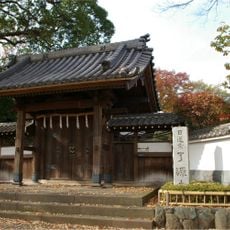
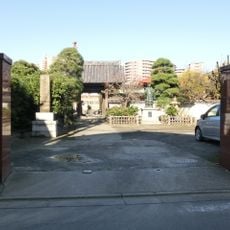
白山古墳, Ancient burial mound in Kawasaki, Japan.
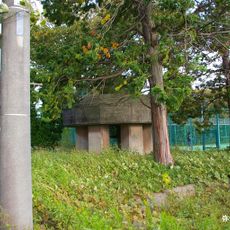
The Hakusan Kofun is a keyhole-shaped burial mound in Kawasaki with a rectangular front section that connects to a rounded back portion, measuring 139 meters in total length. The site features distinct levels and platforms characteristic of large kofun from this era, with the overall structure designed to be visible from considerable distance.
This burial mound was built between the 4th and 5th centuries during the middle Kofun period, when centralized power was emerging in Japan. Its construction reflected a time when society became more hierarchically organized and monumental building projects displayed political strength and wealth.
This burial mound is part of a cluster of tombs that shows how ancient Japanese communities built monumental structures to honor their dead and express social hierarchy. The way it was designed and decorated reflects beliefs about the afterlife and the importance of specific individuals in society.
You can walk around and observe the mound's exterior from various angles throughout the year without restrictions on access to the grounds. The interior chambers are not open to visitors to protect the archaeological remains, but the outdoor setting provides good views of the overall shape and structure.
Archaeologists discovered numerous small terracotta figures called haniwa that once surrounded the mound and served as boundary markers for sacred space. These hand-crafted objects reveal details about ritual practices and the importance people placed on defining spiritual zones around their burial monuments.
The community of curious travelers
AroundUs brings together thousands of curated places, local tips, and hidden gems, enriched daily by 90,867 contributors worldwide.