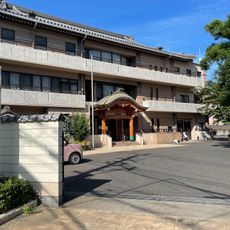
Tamayama Shrine, Shinto shrine in Japan
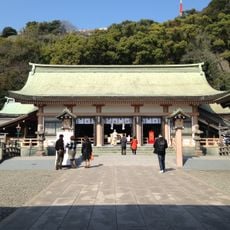
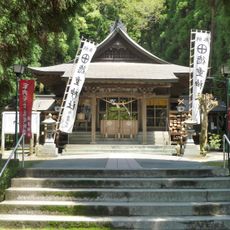
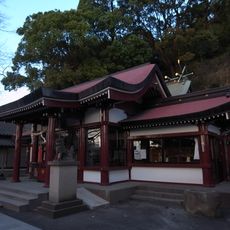
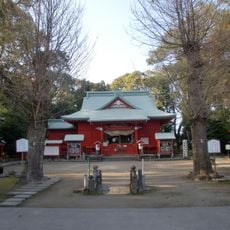
Tamayama Shrine is a small Shinto shrine in Higashiichiki-chō Miyama featuring simple wooden structures that blend naturally into the surrounding landscape. The modest building displays gently curved roof edges with understated carvings and sits beside stone lanterns marking the path, with a water basin near the entrance for visitors to rinse their hands before prayer.
The shrine began in 1605 when Korean potters brought to Satsuma during the Japanese invasions of Korea built a small shrine in their settlement of Naeshirogawa, now Miyama, to honour Dangun. In 1766 the main deity was changed to a pottery god. A branch shrine founded in 1708 in Kanoya was also dedicated to Dangun until the Meiji era, when its deity became Susanoo.
The shrine's name comes from the Miyama district, formerly Naeshirogawa, settled by Korean potters brought to Satsuma after the Japanese invasions of Korea. They built a hall here in 1605 to honour Dangun, the legendary founder of Korea. In 1766 the main deity was changed to a pottery god, and today the shrine is still linked to ceramics.
The shrine is easily accessible by a short walk from the nearest bus stop and open to everyone without restriction. Visitors should take time to explore slowly and respectfully observe the tradition of rinsing hands at the water basin before entering the main hall, which prepares the spirit for prayer.
The shrine's first deity was Dangun, the legendary founder of Gojoseon, installed in 1605 by potters brought from Korea by the Satsuma domain. In 1766 the main deity was changed to a pottery god, and today the enshrined kami include Ninigi-no-Mikoto and Susanoo-no-Mikoto. Tōgō Shigenori, foreign minister during World War II, was born in this area, and his mother is said to have prayed here daily.
The community of curious travelers
AroundUs brings together thousands of curated places, local tips, and hidden gems, enriched daily by 93,449 contributors worldwide.