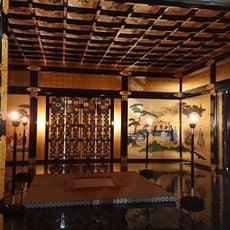
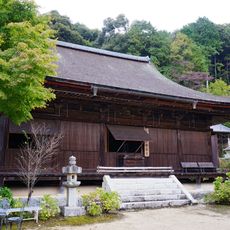
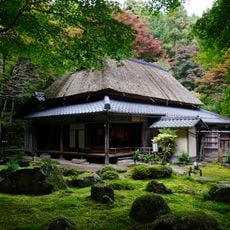
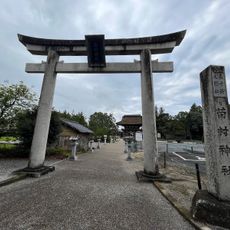
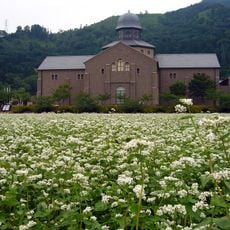
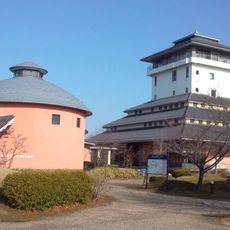
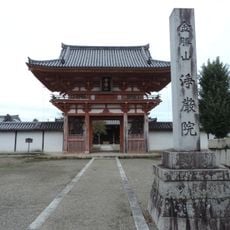
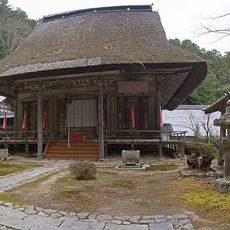
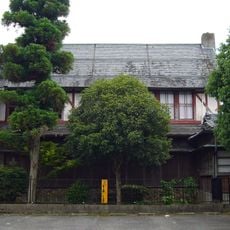
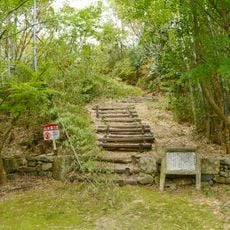
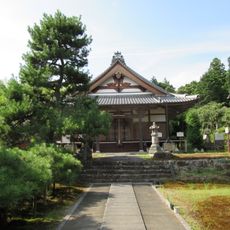
Ishidō-ji, Buddhist temple in Higashiōmi, Japan.
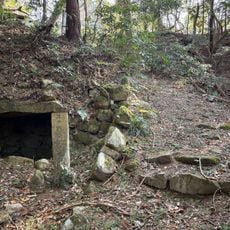
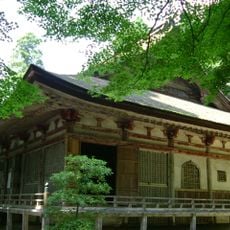
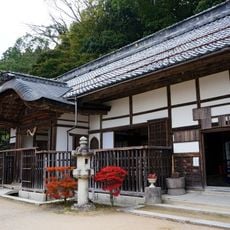
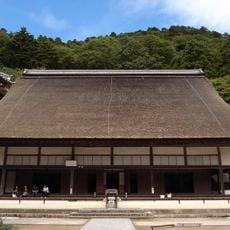
Ishidō-ji is a Tendai Buddhist temple in Higashiōmi whose grounds are filled with tens of thousands of stone pagodas and stone Buddhas. At its centre stands a three-storey stone pagoda called the Ashoka Tower, 7.6 m high and made of granite, the oldest stone tiered pagoda in Japan and the largest stone three-storey pagoda.
The temple emerged during the early centuries of Buddhism in Japan and gained imperial recognition in 1006 when Emperor Ichijo officially designated it as a chokugan-ji temple. This designation established it as a major Buddhist pilgrimage destination in the region.
The temple marks the twenty-second stop along the Omi Saigoku Kannon Pilgrimage route, drawing Buddhist practitioners who seek spiritual enlightenment through sacred journeys.
The grounds open from 9:00 to 17:00, extended to 18:00 between May and October. Access is by Omi Railway bus from Omi-Hachiman Station to Sakuragawa, then a Hino town bus to Ishidoguchi, followed by a 15-minute walk. Parking holds 20 cars and 10 large vehicles. At the end of August the Stone Pagoda Festival lights the stone towers and Buddhas with lanterns.
The three-story stone pagoda, called the Ashoka Tower, is not Indian: scholars date it to the early Nara period (7th century) and attribute it to immigrants from the Korean peninsula, since its style resembles ancient Korean stonework. The temple's own legend instead traces it to one of two reliquary towers that flew to Japan from India.
The community of curious travelers
AroundUs brings together thousands of curated places, local tips, and hidden gems, enriched daily by 95,352 contributors worldwide.