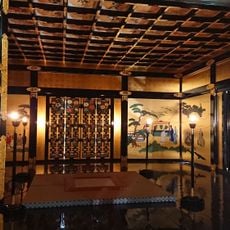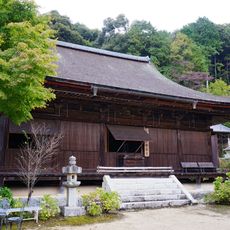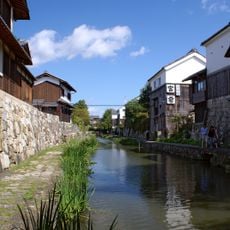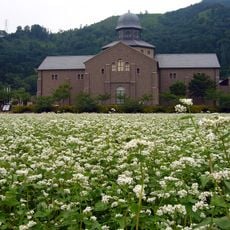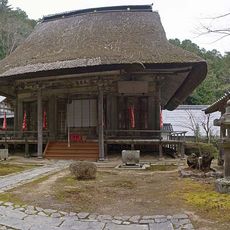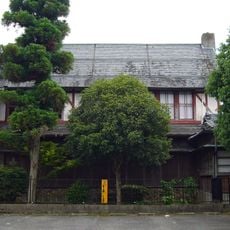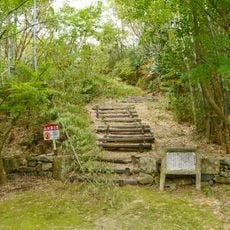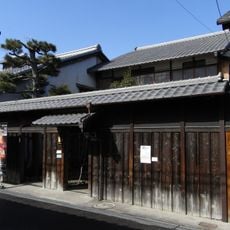
Kyōrin-bō, Buddhist temple in Ōmihachiman, Japan.
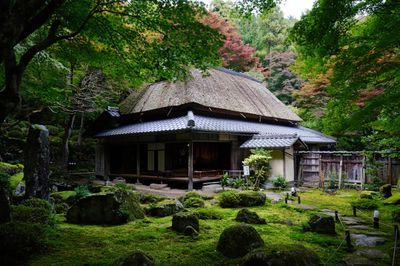
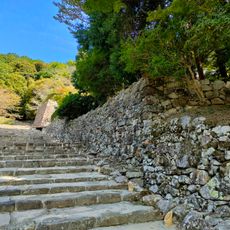
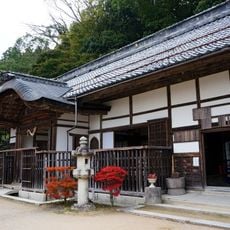
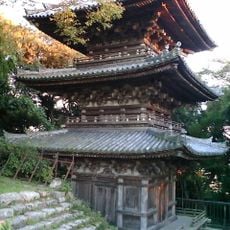
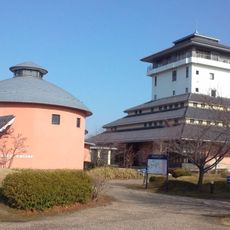
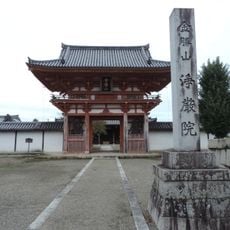
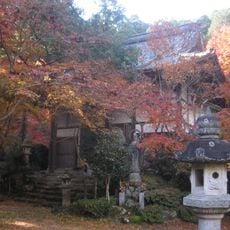
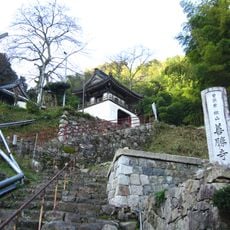
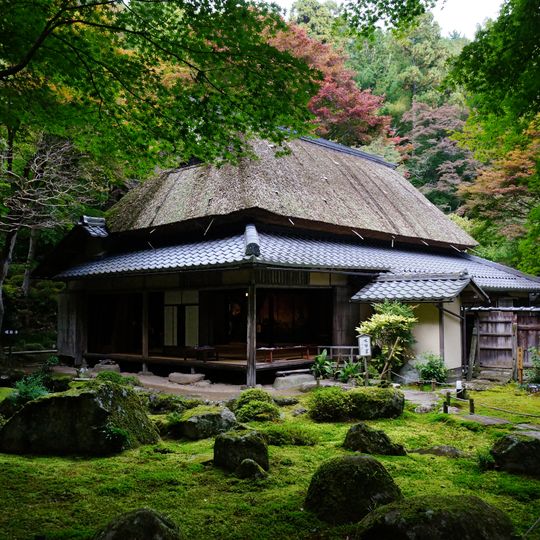
Kyōrin-bō is a Buddhist temple in Ōmihachiman, Japan, with a main hall connected by walking paths to bamboo groves and a moss garden with stone arrangements. The grounds mix wooden architecture with dense plantings of maple and bamboo, which change in character across the seasons.
The temple was founded in the early 7th century, making it one of the oldest Buddhist sites in the Ōmihachiman area. It was rebuilt and restored over the centuries but kept its religious function without interruption.
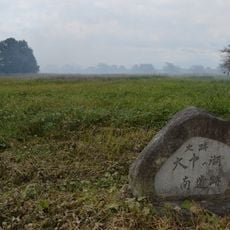
The temple name combines characters meaning forest and teaching, pointing to the idea of a place where nature and Buddhist practice meet. Visitors can see stone markers placed throughout the grounds by worshippers, each one carrying a personal intention written by hand.
The temple is within walking distance of central Ōmihachiman and can be reached on foot from the main train station area. Autumn is worth planning around, as the maple trees on the grounds change color and draw many visitors.
After making a small donation, visitors can write kanji characters on stones and place them on the grounds, so handwritten marks from past visits remain visible throughout the site. This means the garden slowly fills over time with traces left by people who passed through.
The community of curious travelers
AroundUs brings together thousands of curated places, local tips, and hidden gems, enriched daily by 90,969 contributors worldwide.