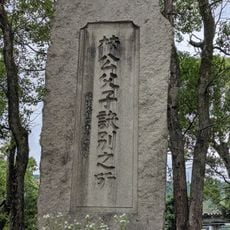
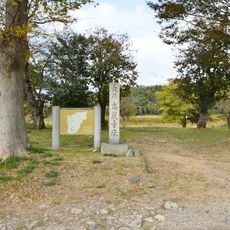
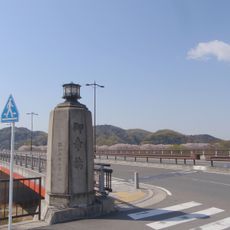
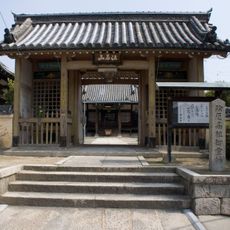
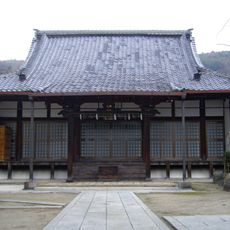
神応寺, Buddhist temple in Yawata, Japan.
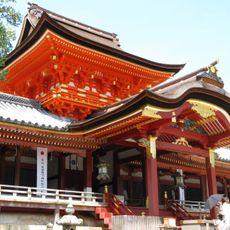
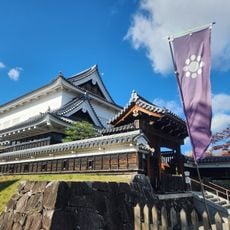
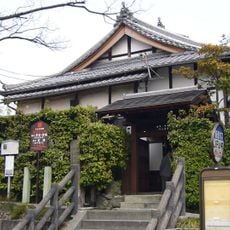
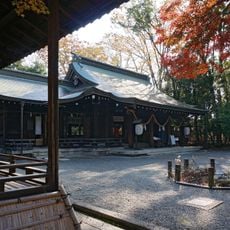
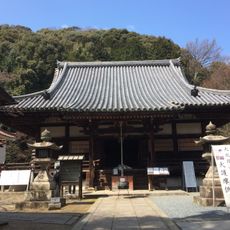
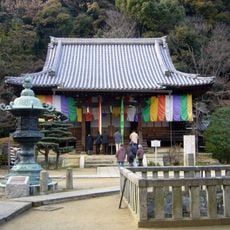
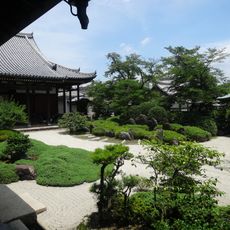
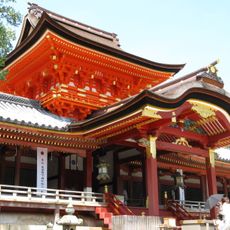
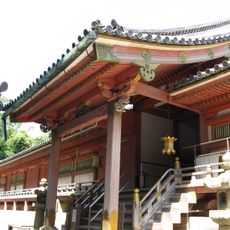
Jinnoji Temple is a Soto Zen temple on the northern slope of Otokoyama in Yawata, below Iwashimizu Hachimangu. Its main hall, rebuilt in 1795, enshrines a statue of Yakushi Nyorai. The grounds also hold a founder's hall, meditation hall, study, kitchen, bell tower, and the Sugiyamadani Fudo in an inner sanctuary.
Tradition holds that the temple was founded by Gyōki during the Jōgan era (859–877), originally as a centre of four-school learning. In the late Muromachi period it became a Zen temple, and during the Keichō era (1596–1615) it was revived as a branch of Shōgen-ji in Owari Province. Until the Meiji separation of Shinto and Buddhism it served as a jingū-ji of Iwashimizu Hachimangū.
The temple belonged to the Shingon-Ritsu tradition of four-school learning before becoming a Zen temple in the late Muromachi period. In the Keichō era (1596–1615) it was revived as a branch temple of Shōgan-ji, then in Owari Province. Until the Meiji separation of Shinto and Buddhism it served as a jingū-ji of Iwashimizu Hachimangū.
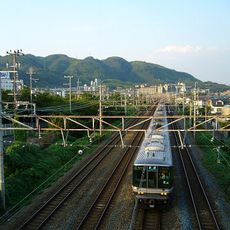
The temple sits in a residential neighborhood and is easy to reach on foot from nearby transportation. Visitors should wear comfortable shoes since footwear must be removed before entering the main hall.
The temple's only Important Cultural Property is a seated wooden statue of the monk Gyōki, credited with founding the temple during the Jōgan era (859–877). It is not a statue of Gyōki as a deity link but a portrait of the founder, kept at this Sōtō Zen temple on the north slope of Otokoyama.
The community of curious travelers
AroundUs brings together thousands of curated places, local tips, and hidden gems, enriched daily by 93,630 contributors worldwide.