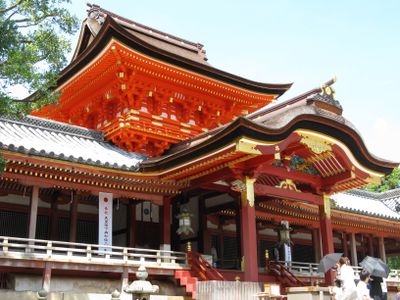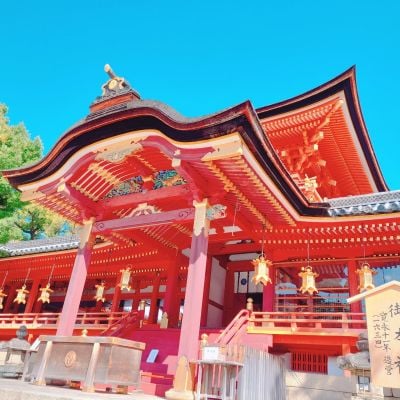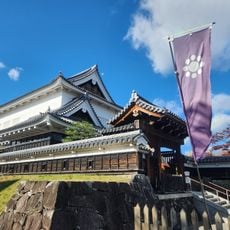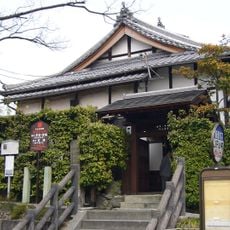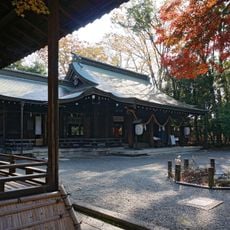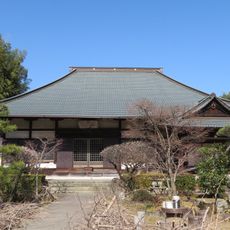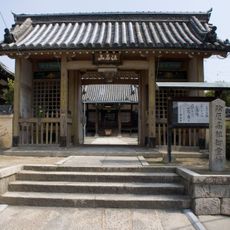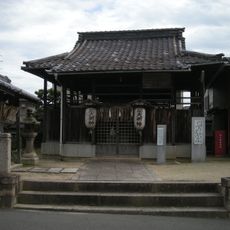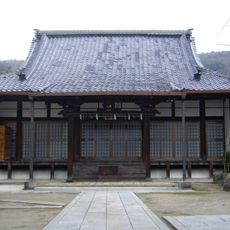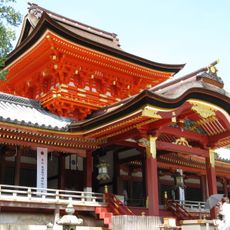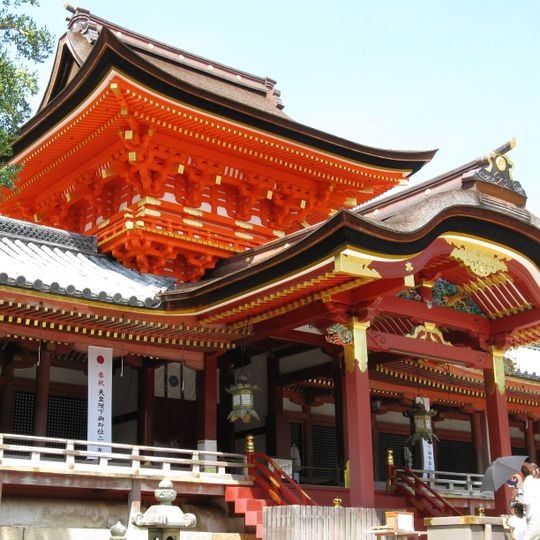
Iwashimizu Hachimangū, Shinto shrine in Yawata, Japan.
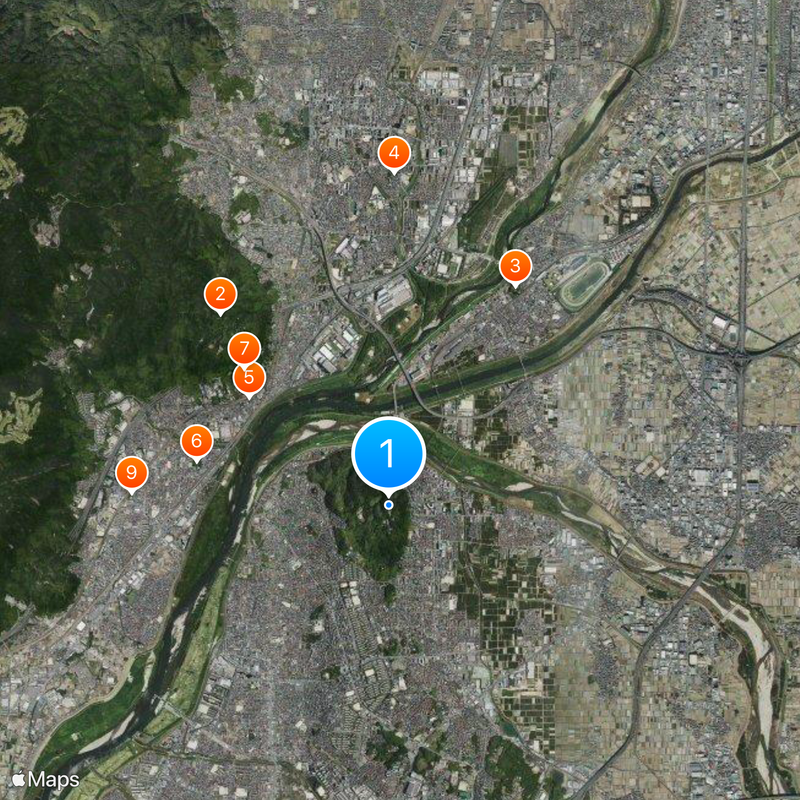
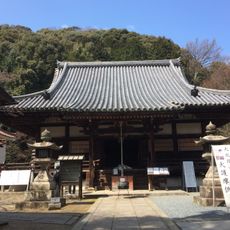
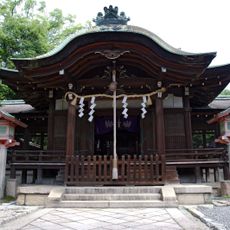
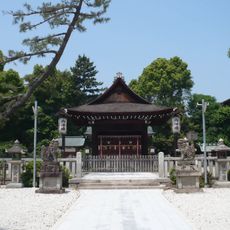
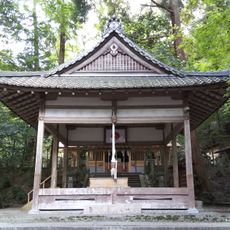
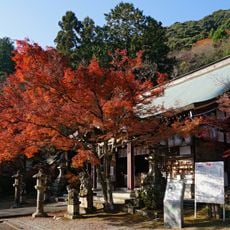
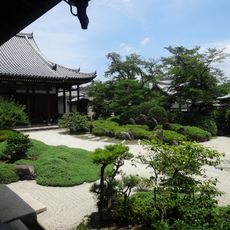
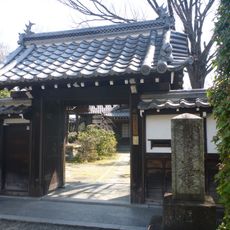
Iwashimizu Hachimangū is a Shinto shrine in Yawata, Japan, spreading across Mount Otokoyama and recognized as a National Treasure and Historic Site. The complex displays Hachiman-zukuri architecture with its distinctive connected inner and outer halls linked by covered corridors.
Emperor Seiwa commissioned the construction in 859 following Buddhist monk Gyokyo's vision in which the deity Hachiman expressed a desire to be closer to Kyoto. Over the following centuries, the shrine received repeated imperial support and became one of the most important religious sites in the region.
The temple takes its name from a sacred spring on the mountain, and serves as a site for imperial ceremonies that continue each September. Visitors can observe priests performing traditional rites and worshippers offering prayers before the connected halls.
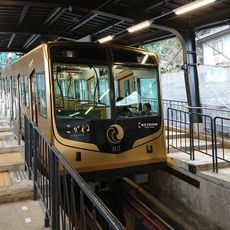
Visitors reach the shrine via Keihan Railway to Iwashimizu Hachimangu Station, from where a cable car or walking path leads to the summit. The walk takes about 15 minutes through forest and offers a chance to see the surroundings at a slower pace.
The shrine houses an Indonesian kris dagger that was discovered during a 2005 inventory of its treasures and later displayed at Kyoto National Museum. This find surprised scholars and points to historical connections between Japan and Southeast Asia that remain not fully explored.
The community of curious travelers
AroundUs brings together thousands of curated places, local tips, and hidden gems, enriched daily by 91,012 contributors worldwide.