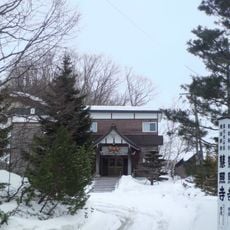
Fukuzumi Itsukushima Shrine, Shinto shrine in Japan
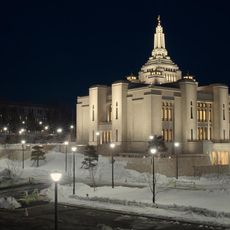
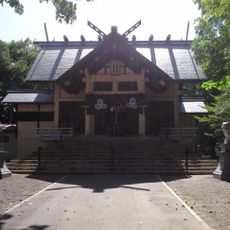
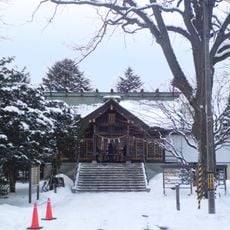
Fukuzumi Itsukushima Shrine is a Shinto shrine in the town of Fukuzumi built in the traditional Shinmei-zukuri style featuring straight lines and natural wood. The main building has white walls, thick wooden beams, a tiled roof, and is surrounded by quiet pathways, simple gardens, and stone lanterns that light up in the evening.
In 1884, migrants from Hiroshima Prefecture enshrined a divided spirit of Itsukushima Shrine together with Inari. In 1900 the shrine obtained official permission under Hokkaido Government Directive No. 2307 as the unranked Nishiyama Shrine. A 1903 dispute with the land donor led to the sacred body being moved to Tsukishima, leaving an empty hall until 1992, when the spirits of Itsukushima and Fushimi Inari were re-enshrined; Kitano Tenmangu's divided spirit followed in 1996.
The shrine's name comes from Hiroshima's Itsukushima Shrine: in 1884 migrants from Hiroshima Prefecture enshrined a divided spirit of Itsukushima along with Inari. Its deities are Ichikishimahime-no-Mikoto, Uganomitama-no-Mikoto and Sugawara no Michizane, the last enshrined in 1996 from Kitano Tenmangu in Kyoto.
The shrine is open during daytime hours and visitors should be respectful and quiet as a sign of respect for local beliefs. Small signs explain how to make offerings or pray, allowing visitors to comfortably follow the traditions and customs.
The shrine's hall stood empty for decades: in 1903 a dispute with the land donor led to the kami being moved to Tsukisamu, where Tsukisamu Shrine split off. The deities were only re-enshrined in 1992, Itsukushima and Fushimi Inari, with Kitano Tenmangu's divided spirit added in 1996.
The community of curious travelers
AroundUs brings together thousands of curated places, local tips, and hidden gems, enriched daily by 94,974 contributors worldwide.