Fukugon-ji Temple, Buddhist temple in Komaki, Japan
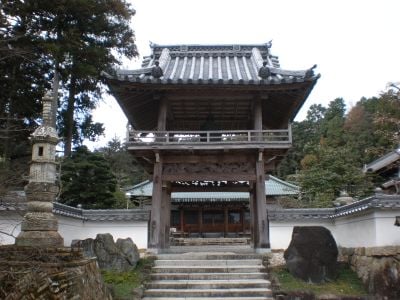
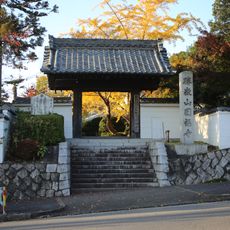
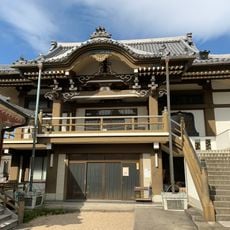
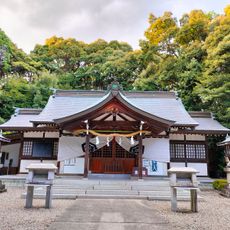
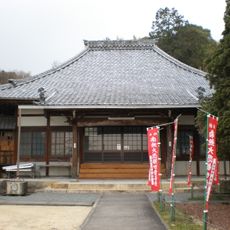
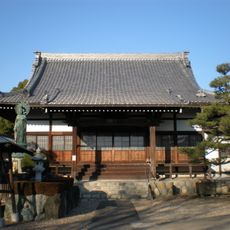
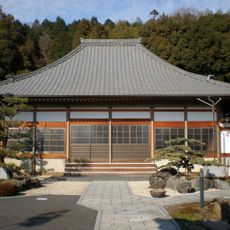
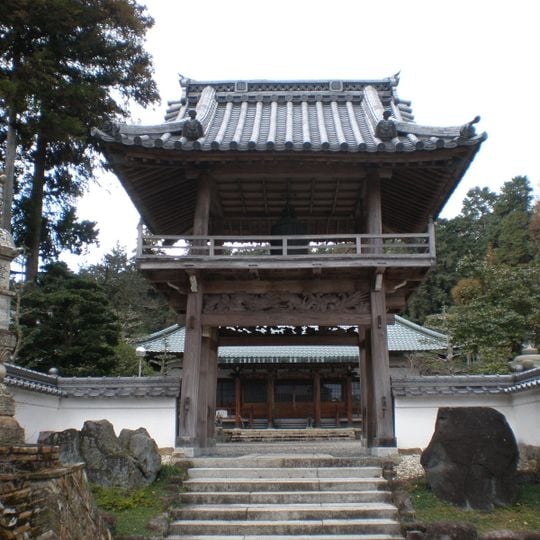
Fukugon-ji is a Buddhist temple of the Bushin-shū school in Ōkusa, Komaki, Aichi Prefecture, with the mountain name Daisōzan. A stone staircase leads to a two-story wooden gate with a central arched opening, a carved panel, an upper balcony with a wooden railing, and a gray-tiled hip-and-gable roof with sculpted corner figures. The ceramic hōkyōintō pagoda stands in the temple grounds, not at the entrance.
Founded in 1476 during the Muromachi period, Fukugon-ji was established when Nishi Shikibu Michinaga, lord of Okusa Castle, became a disciple of the monk Seizen Dōseki of Kaigen-in in Mino Toki District. Seizen's teacher, Gessen Shōin, consecrated the temple. In 1506 a portrait of Seizen was painted, and in 1836 the ceramic pagoda was made.
The Akiba Sanshaku-bo festival is held on the first Saturday of December, honouring Akiba Sanshaku-bo Daigongen, an avatar of Fudo Myoo. Prayers run from morning, with taiko performances, food stalls and a fire-walking rite at the end, where flames high enough to scorch the building's second floor are crossed.
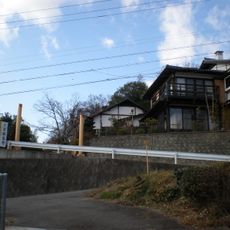
Visitors can reach the temple by taxi from nearby train stations or by bus service to the area. It is best to visit during daylight hours and wear appropriate footwear since the grounds sit on a hillside.
The temple operates on a membership-based system rather than traditional parish structures, making it one of the few Buddhist temples in Japan to use this approach. This model allows for different forms of community involvement and management compared to conventional temples.
The community of curious travelers
AroundUs brings together thousands of curated places, local tips, and hidden gems, enriched daily by 93,465 contributors worldwide.